

AI, Cuban Sandwiches, Taxi Cabs, and the People of San Francisco
- Mark Kendall
- 21 hours ago
- 5 min read

AI, Cuban Sandwiches, Taxi Cabs, and the People of San Francisco
By Mark Kendall
I came to San Francisco in early May for the invite-only Claude Code Conference, and honestly, I was proud just to walk through the doors.
Not because I think I’m some celebrity engineer.
Not because I had all the answers.
But because for years I’ve been talking about where engineering, AI, automation, and intent-driven systems were headed — in corporations, in architecture meetings, in blogs, in books, in late-night conversations with engineers trying to hold giant systems together with duct tape and caffeine.
And for the first time, I got to see a lot of those ideas happening in real life.
That part was incredible.
The rest of the trip?
Well… let’s just say me versus GPS became a recurring sporting event.
One minute I’m trying to walk six blocks.
Next thing I know, my phone has me climbing what appears to be the side of a mountain in dress shoes while some robotic voice calmly says:
“Continue straight.”
Lady, there is no straight.
This is San Francisco.
Then there were the Ubers.
I swear half my trip was me standing on a corner spinning in circles trying to locate a gray Toyota Prius that was apparently “arriving now” from another dimension.
But somewhere between the taxis, bars, restaurants, coffee shops, and one amazing Italian delicatessen with a Cuban sandwich that nearly changed my religion, something interesting happened.
People started talking to me.
“Hey, what brings you to San Francisco?”
And I’d say:
“I’m here for an AI conference.”
Now suddenly I became mysterious.
Like I was carrying nuclear launch codes in my backpack.
Everybody had an AI story.
Every single person.
The bartender.
The taxi driver.
The waiter.
The musician.
The artist.
The startup guy.
The burned-out tech worker.
The lady who thought the lizard people were probably involved somehow.
And honestly?
That was the best part of the trip.
Everybody Is Curious About AI
Some people were excited.
Some were nervous.
Some were convinced AI was about to take every job on Earth by Thursday afternoon.
Others thought it was the greatest invention since electricity.
But what fascinated me most was this:
Even the people who said they didn’t want AI… still wanted AI to help them somehow.
The artist would say:
“I don’t want AI making my music. That’s my soul.”
And I respected that completely.
But then five minutes later:
“Can it help me build a website?”
“Can it help me advertise?”
“Can it help me find customers?”
Yes.
Absolutely.
The saxophone player didn’t want AI teaching him emotion.
But maybe AI could help him organize gigs.
The restaurant worker didn’t want to become a programmer.
But maybe AI could help him launch his food truck idea.
The bartender didn’t want robots replacing humans.
But maybe AI could help her build a side business selling handmade products online.
That’s the real conversation happening right now.
Not humans versus machines.
Humans trying to figure out how to use machines without losing themselves.
And honestly?
I think that’s the correct conversation.
My Advice to Everyone I Met
I told people something very simple.
You do not need:
A computer science degree
A giant company
A $20,000 AI server
A Silicon Valley startup
A team of engineers
You just need curiosity.
That’s it.
You can start small.
Very small.
Where Should You Start?
You can start with:
Don’t overthink which one is “best.”
Just pick one and begin.
That’s more important than endlessly debating technology on the internet.
Step One: Stop Thinking About “AI”
Instead, think about:
“What problem do I want help solving?”
That changes everything.
Not:
“Teach me artificial intelligence.”
Instead:
“Help me advertise my art.”
“Help me create a menu.”
“Help me organize my business.”
“Help me write better emails.”
“Help me build a website.”
“Help me create a workout plan.”
“Help me organize my finances.”
“Help me start a side business.”
Now AI becomes useful instead of scary.
The Simple Formula I Told Everybody
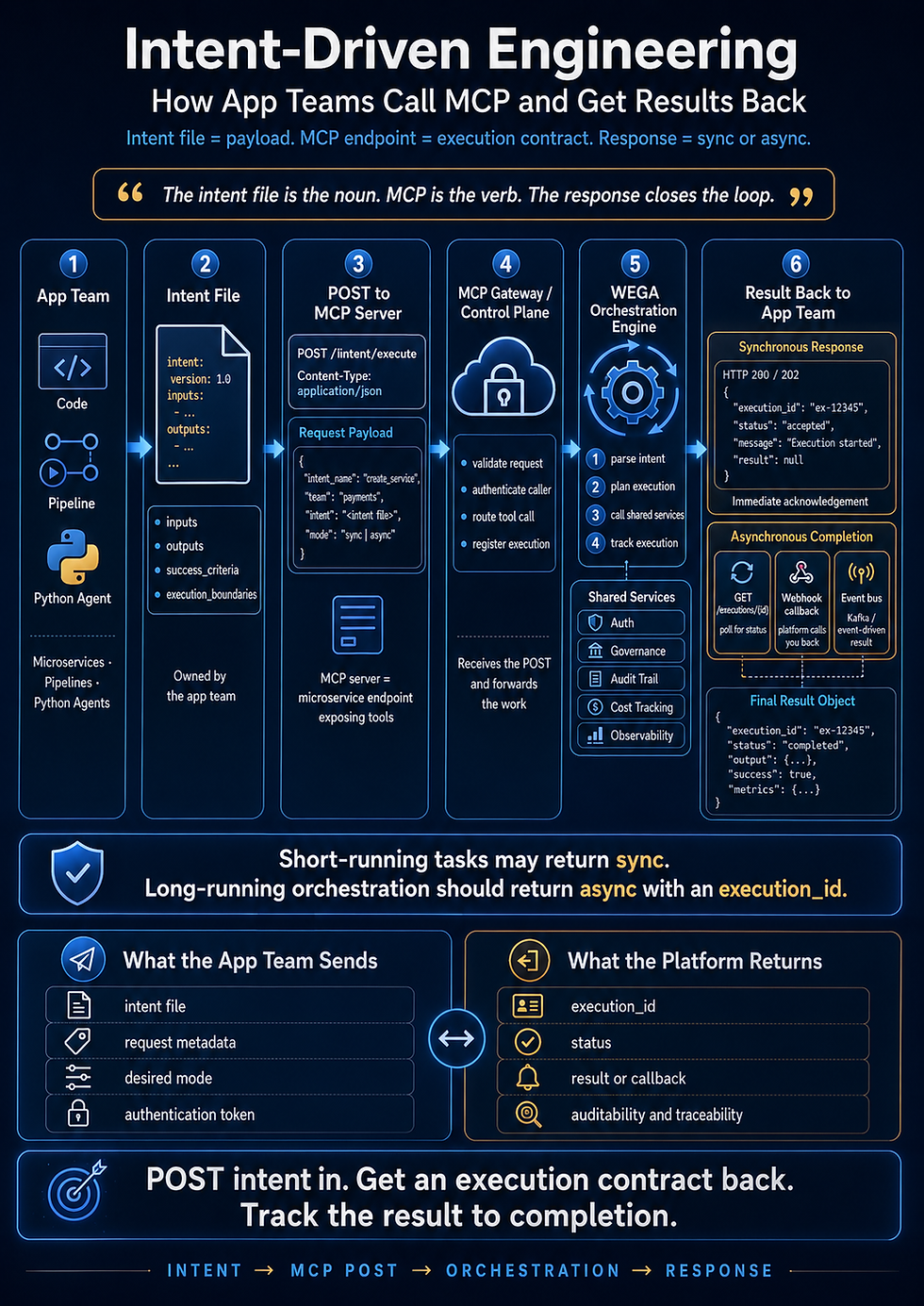
This is basically the beginner version of what I teach in Intent-Driven Engineering.
You don’t start with technology.
You start with intent.
Step 1 — State What You Want
Example:
“I want more people to discover my jazz music.”
Step 2 — State Your Constraints
Example:
“I only have $100 to spend.”
“I’m not technical.”
“I work nights.”
Step 3 — Ask for a Plan
Example:
“Give me a simple 30-day plan.”
That’s it.
Seriously.
Most people make AI too complicated because they think they have to sound smart.
You don’t.
AI actually works better when you speak normally.
Real Examples From My Conversations
The Artist
Prompt:
“I’m a local artist in San Francisco. I paint abstract city art. Help me create an Instagram strategy and a simple website plan to attract buyers.”
The Musician
Prompt:
“I play saxophone in local clubs. Help me find ways to promote my gigs and build a small following online.”
The Restaurant Worker
Prompt:
“I want to eventually start a sandwich shop. Help me create a low-cost business plan and social media strategy.”
The Taxi Driver
Prompt:
“Help me create a side business using my knowledge of San Francisco tourism.”
That’s real.
That’s practical.
That’s where AI becomes powerful.
Don’t Let Fear Stop You
Some people are terrified of AI.
I understand it.
Every major technology shift scares people at first.
But here’s my honest belief after talking to so many people on this trip:
The people who will struggle most are not the people who lack talent.
It’s the people who refuse to experiment.
You do not have to become an AI engineer.
You do not have to surrender your humanity.
You do not have to stop being an artist, musician, teacher, craftsman, chef, writer, or dreamer.
But learning how to use these tools a little?
That’s probably going to matter.
A lot.
What I Learned in San Francisco
I came to San Francisco thinking mostly about technology.
I left thinking mostly about people.
Because underneath all the AI conversations, everybody was really asking the same question:
“Can this help me build a better life?”
And I think the answer is yes.
If we stay practical.
If we stay grounded.
If we stay human.
So to all the people I met in bars, restaurants, taxis, coffee shops, delicatessens, hotel lobbies, and random street corners while my GPS was actively trying to assassinate me:
Thank you.
You reminded me that technology is only valuable when it helps real people solve real problems.
And somewhere between Cuban sandwiches and conversations about the future, I think we all learned something together.
Maybe the future isn’t about replacing people.
Maybe it’s about helping people move a little faster toward the life they were already trying to build.
Comments