

Beyond Prompting: Building a Continuous Enterprise Intelligence & Feasibility Platform
- Mark Kendall
- 13 hours ago
- 4 min read

Beyond Prompting: Building a Continuous Enterprise Intelligence & Feasibility Platform
Intro
At the Anthropic developer event, one thing became immediately clear:
We are moving beyond chat-based AI.
The future is not:
prompt → response → done
The future is:
continuous operational intelligence systems running autonomously in the background.
What I saw was one of the clearest demonstrations yet of what comes next for enterprise AI.
On the left side of the screen:
live execution
watchdogs
retries
checkpoints
validation loops
monitoring
self-checks
On the right side:
generated code
architecture
reports
evolving applications
commits
artifacts
continuously improving outputs
This was not “AI chatting.”
This was AI operating.
And for architects, enterprise leaders, and engineering organizations, this changes everything.
What Is a Continuous Enterprise Intelligence & Feasibility Platform?
A Continuous Enterprise Intelligence & Feasibility Platform is a long-running AI orchestration system that continuously evaluates business ideas, technical feasibility, architecture, market opportunity, and operational readiness before delivery teams spend months building the wrong thing.
Instead of asking:
“Can AI answer my question?”
The better question becomes:
“Can AI continuously evaluate, validate, improve, and orchestrate enterprise execution?”
That is the shift happening right now.
The Architectural Shift
Traditional AI workflows look like this:
User Prompt
↓
LLM Response
↓
Human Interpretation
The new model looks like this:
Scheduled Trigger
↓
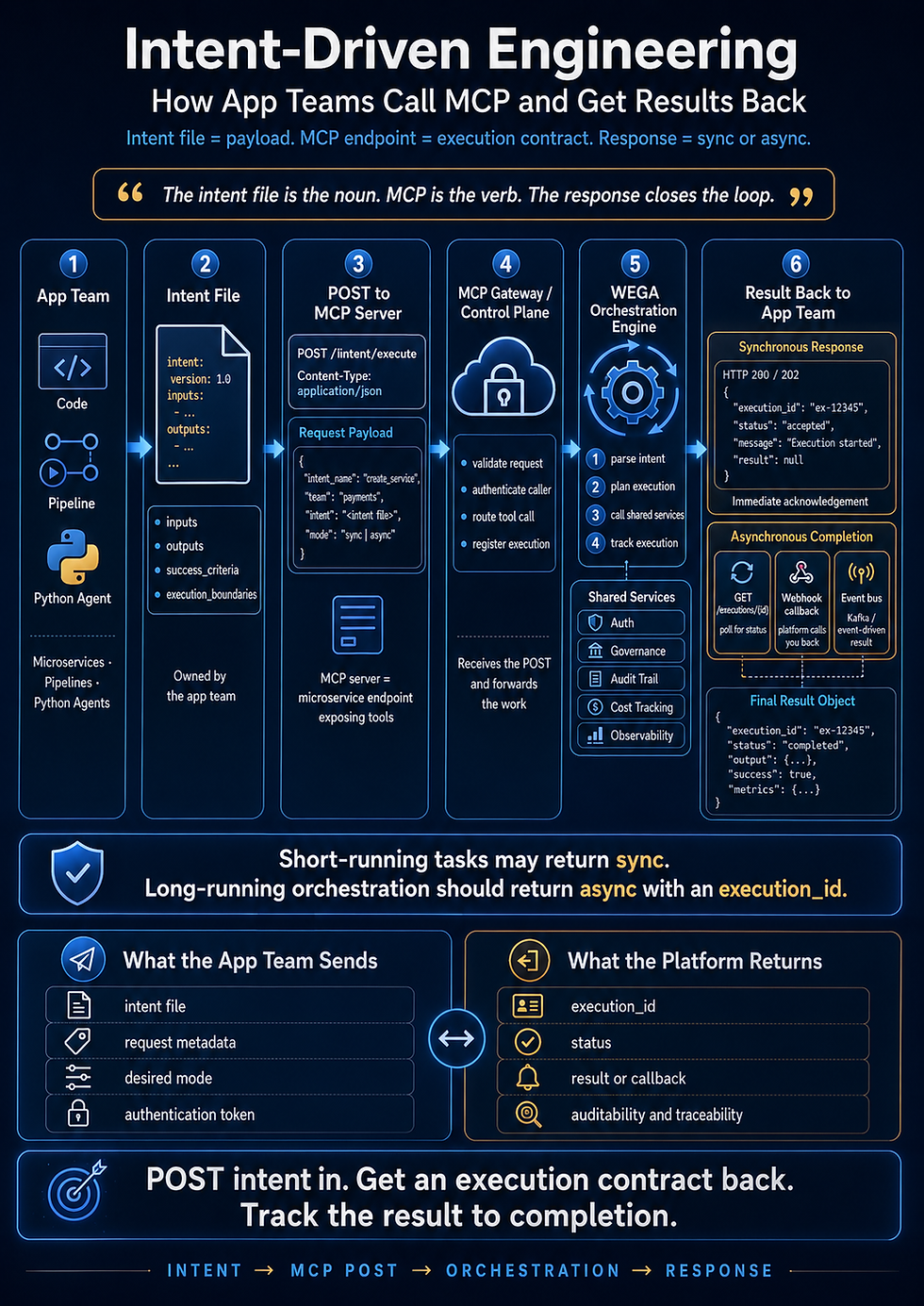
Intent File
↓
Planner Agent
↓
Research Agents
↓
Feasibility Agents
↓
Architecture Agents
↓
Validation / Governance
↓
Prototype + Recommendations
↓
Human Approval
↓
Delivery Team
This is no longer prompt engineering.
This is:
operational orchestration
governed execution
enterprise intelligence
continuous validation
autonomous runtime systems
The Core Components
1. Scheduler Layer
This is what starts the system.
Examples:
nightly jobs
weekly evaluations
GitHub events
Jira triggers
CRM opportunities
cloud monitoring events
executive requests
The system continuously wakes up and evaluates work autonomously.
Examples:
“Analyze new customer opportunities.”
“Review overnight architecture changes.”
“Generate feasibility reports.”
“Scan for market movement.”
“Validate deployment readiness.”
This creates continuous intelligence rather than one-time prompting.
2. Intent Layer
This is the most important layer.
The intent file becomes the operational contract for execution.
Instead of telling the AI how to do everything step-by-step, the intent file defines:
business goal
constraints
success criteria
execution boundaries
evidence requirements
approval requirements
governance policies
Example:
intent_name: enterprise_feasibility_review
business_goal:
Evaluate a proposed enterprise platform opportunity.
success_criteria:
- technical feasibility scored
- market analysis completed
- architecture generated
- ROI estimated
- risks documented
execution_boundaries:
- no production deployment
- no customer data exposure
- human approval required
The intent file is not documentation.
It becomes the execution blueprint.
3. Agent Runtime Layer
This is the operational engine.
This is where systems like Claude Code and Agent SDK concepts become important.
The runtime handles:
long-running execution
retries
checkpoints
context persistence
tool access
subagents
artifact generation
validation loops
The system does not simply respond once.
It continuously operates.
4. Specialist Agents
The platform is built around specialized operational agents.
Planner Agent
Breaks large goals into executable work.
Market Intelligence Agent
Researches competitors, trends, pricing, customer demand, and industry movement.
Feasibility Agent
Determines technical viability, integration risk, operational complexity, and implementation concerns.
Solution Architect Agent
Creates:
architecture diagrams
stack recommendations
workflows
integration approaches
deployment strategies
Validator Agent
Provides:
self-checks
second opinions
evidence validation
scoring
governance enforcement
hard gates
Optional agents:
ROI Agent
Executive Summary Agent
Prototype Builder Agent
Security Review Agent
5. MCP & Enterprise Connectivity Layer
This is where the platform becomes operationally powerful.
MCP-style connectivity allows the system to integrate with:
GitHub
Jira
Confluence
Slack
cloud providers
APIs
vector databases
monitoring systems
enterprise tooling
This allows AI systems to interact with real operational environments rather than isolated prompts.
6. Governance Layer
This is the difference between:
“cool AI demo”
and:
“enterprise-grade operational platform”
Governance includes:
evidence capture
audit trails
rollback checkpoints
confidence scoring
approval gates
policy enforcement
validation loops
runtime monitoring
Without governance, autonomous systems become dangerous.
With governance, they become operational infrastructure.
7. Control Tower Dashboard
This was one of the most important visual pieces from the demo.
The dashboard acts like:
an AI operations center.
Operators monitor:
active jobs
retries
failures
checkpoints
token/runtime usage
evidence validation
generated artifacts
deployment readiness
The dashboard becomes the enterprise visibility layer for long-running AI operations.
Why This Matters
Most companies are still experimenting with prompts.
But the real transformation is happening at the operational layer.
The future enterprise model is not:
“Ask AI questions.”
The future model is:
“Continuously orchestrate intelligence, feasibility, architecture, validation, and execution.”
This changes:
software delivery
pre-sales
architecture review
business intelligence
operational governance
solution engineering
innovation pipelines
The Real Enterprise Opportunity
The biggest waste in enterprise technology is not bad developers.
It is:
building the wrong thing.
A Continuous Enterprise Intelligence & Feasibility Platform changes that.
Before teams spend:
months building
millions deploying
resources integrating
leadership aligning
…the platform continuously evaluates:
feasibility
architecture
business value
operational complexity
technical risk
governance readiness
That is an enormous shift.
Intent-Driven Engineering Changes Everything
This is where Intent-Driven Engineering naturally fits.
Intent becomes:
the contract
the governance layer
the execution boundary
the measurable definition of success
The runtime, agents, tools, and orchestration become implementation details underneath the intent.
That is the evolution beyond prompting.
Final Thoughts
We are entering a new phase of enterprise AI.
Not:
isolated prompts
disconnected assistants
one-time responses
But:
persistent operational intelligence
autonomous orchestration
governed execution
continuous enterprise feasibility systems
The organizations that figure this out early will not simply “use AI.”
They will build entirely new operational models around it.
And that is where the real transformation begins.
Comments