
Everyone Talks About Intent-Driven Engineering but Few Show How to Do It Right
- Mark Kendall
- 3 days ago
- 4 min read

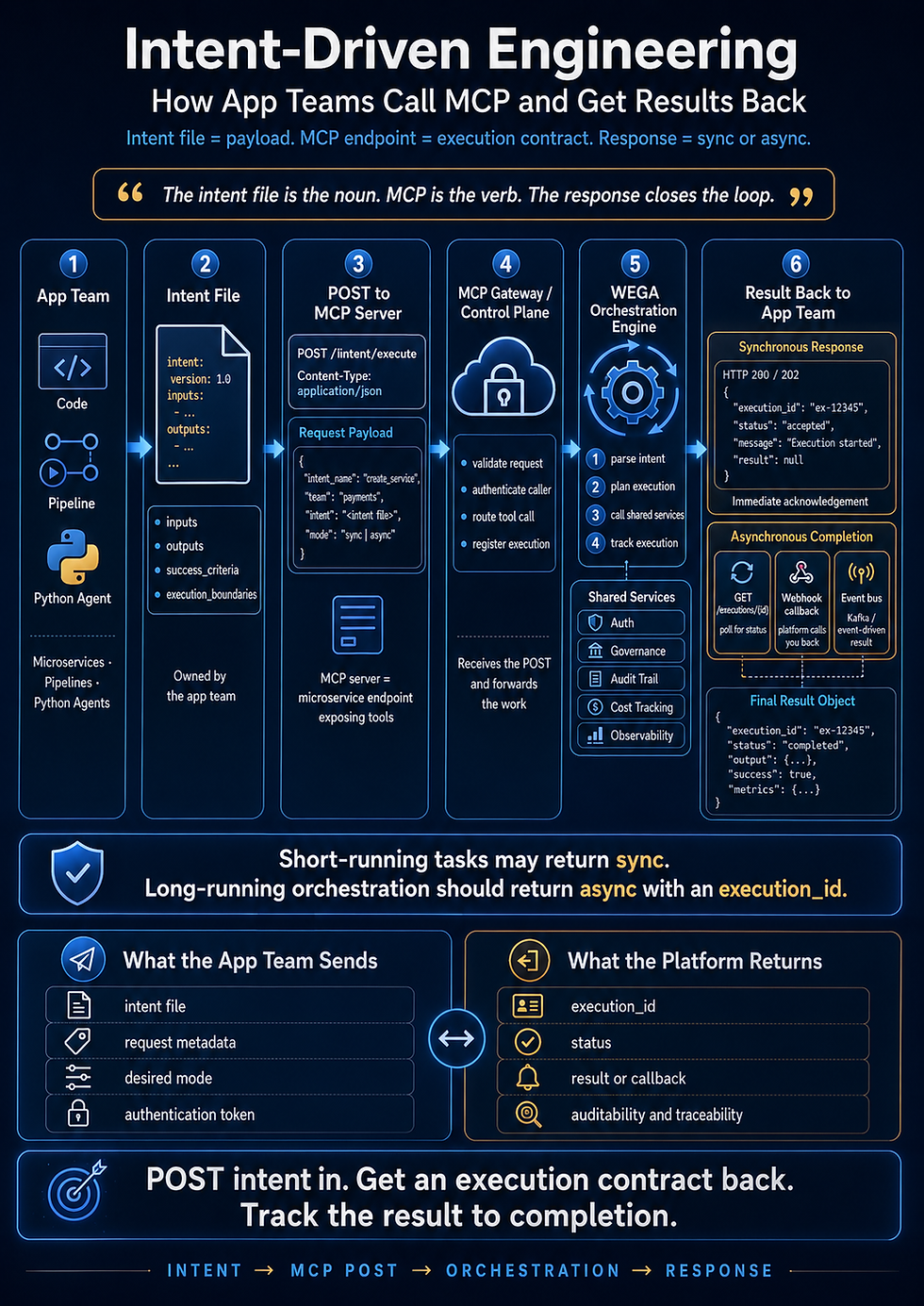
Intent-driven engineering is a buzzword you hear everywhere these days. Big names like Capital One and ThoughtWorks mention it in talks and articles. Yet, when you try to find clear guidance on how to actually apply it, the information is scattered or too vague. Most resources focus on the "why" or "what" but skip the "how" and "when." That’s where LearnTeachMaster.org stands out. It offers a free, open-source approach that teaches you exactly how to implement intent-driven engineering in your projects. I’ve explored their materials, and I want to share why this approach matters and how you can benefit from it.
What Is Intent-Driven Engineering and Why It Matters
Intent-driven engineering is about building software systems based on clear intentions rather than just code or architecture patterns. Instead of focusing on how to write code or which tools to use, it starts with the question: What do we want the system to achieve? This approach helps teams build software that is consistent, scalable, and easier to maintain.
Many organizations talk about intent-driven engineering as a future trend. Capital One, for example, has mentioned it in their engineering blogs as a way to improve software delivery. ThoughtWorks also highlights the importance of aligning engineering with business goals. But these discussions often stay high-level. They don’t provide a step-by-step guide or practical tools to make it happen.
That’s why intent-driven engineering can feel like a mystery. You know it’s important, but you don’t know how to start or what to do next. This gap is exactly what LearnTeachMaster.org fills with its open-source resources.
How LearnTeachMaster.org Teaches Intent-Driven Engineering
LearnTeachMaster.org offers a clear path to mastering intent-driven engineering. Their materials are designed to be practical and easy to follow. They break down the process into manageable steps, showing you how to translate business intent into engineering actions.
Here’s what makes their approach stand out:
Free and Open Source: You can access all their content without paying or signing up. This openness encourages learning and sharing.
Step-by-Step Guidance: Instead of vague advice, they provide detailed instructions on how to capture intent, model it, and implement it in your software.
Real-World Examples: Their lessons include examples from actual projects, making it easier to understand how to apply the concepts.
Community Support: Since it’s open source, you can join discussions, ask questions, and contribute to improving the materials.
By following their approach, you learn not just the theory but also the practical skills needed to build intent-driven systems. This helps teams avoid common pitfalls like over-engineering or losing sight of business goals.

When to Use Intent-Driven Engineering in Your Projects
Intent-driven engineering is not just a buzzword to sprinkle on every project. It works best when you face certain challenges or goals:
Complex Systems: When your software has many moving parts and needs to stay consistent as it grows.
Changing Requirements: When business goals evolve and your system must adapt quickly without breaking.
Team Collaboration: When multiple teams work together and need a shared understanding of what the system should do.
AI and Automation: When you want to use AI to accelerate development or automate parts of your system based on clear intent.
If your project fits any of these scenarios, intent-driven engineering can help you build software that stays aligned with your goals. It reduces guesswork and makes it easier to manage changes.
How to Start Implementing Intent-Driven Engineering Today
Getting started might seem overwhelming, but it doesn’t have to be. Here’s a simple plan based on what I learned from LearnTeachMaster.org:
Define Clear Intent
Start by writing down what your system should achieve. Use simple language and focus on outcomes, not technical details.
Model the Intent
Break down the intent into smaller parts or rules. This helps you understand how different pieces fit together.
Translate Intent into Code
Use tools or frameworks that support intent-driven design. For example, some platforms allow you to write intent as code or configuration.
Test Against Intent
Make sure your system behaves as expected by testing it against the defined intent. This keeps your software aligned with goals.
Iterate and Improve
As business needs change, update your intent and adjust your system accordingly.
This process is not just theory. LearnTeachMaster.org provides detailed tutorials and examples for each step. You can follow along and apply the lessons directly to your projects.
Examples of Tools Supporting Intent-Driven Engineering
While LearnTeachMaster.org focuses on teaching the approach, it’s helpful to know about tools that can support intent-driven engineering in practice. Here are two examples:
Intent-Driven Frameworks
Some frameworks allow you to define system behavior through intent statements or policies. These frameworks help translate intent into executable code, making it easier to maintain alignment.
AI-Powered Development Tools
Tools that use AI to understand your intent and generate code or tests can speed up development. They work best when your intent is clear and well-defined.
Using these tools alongside the LearnTeachMaster.org approach can boost your productivity and software quality.

Why Most Resources Fail to Teach Intent-Driven Engineering Properly
Many articles and talks about intent-driven engineering focus on the concept but don’t show how to do it. They often:
Skip practical steps and examples
Use vague language that’s hard to apply
Focus on theory without tools or methods
Assume you already know how to translate intent into code
This leaves developers confused and stuck. They want to try intent-driven engineering but don’t know where to begin.
LearnTeachMaster.org solves this problem by providing clear, actionable guidance. It’s a rare resource that goes beyond theory and shows you exactly how to do it.
How You Can Benefit from LearnTeachMaster.org
If you want to improve your software development process, I recommend checking out LearnTeachMaster.org. Here’s what you get:
A free, open-source curriculum on intent-driven engineering
Practical lessons with real examples
A community of learners and experts
Tools and templates to apply intent-driven design in your projects
By using their resources, you can build software that is easier to maintain, adapts to change, and aligns with business goals. This leads to better products and happier teams.

Intent-driven engineering is more than a trend. It’s a practical way to build better software. And with LearnTeachMaster.org, you have a clear path to mastering it without cost or confusion.
Start exploring today and see how intent-driven engineering can transform your projects. The future of software development is about clear intent, and now you know where to learn it right.
Comments