

Exploring the Pioneers of Intent-Driven Engineering and Their Impact on Software Development
- Mark Kendall
- 12 hours ago
- 4 min read

Software development is undergoing a significant transformation. The traditional focus on writing lines of code is shifting toward defining clear intent. This change is driven by advances in artificial intelligence, which can now generate code, tests, documentation, and deployment scripts rapidly. The real challenge today is not how to write code faster but how to specify what should be built, why it matters, and how success is measured. This approach is known as Intent-Driven Engineering, and it is shaping the future of software creation.
Intent-Driven Engineering is still an emerging field. There is no universally accepted definition or mature market category yet. However, several companies and frameworks are leading the way by developing tools, philosophies, and models that focus on intent as the core of software engineering. This article explores the pioneers in this space, their unique contributions, and how they are changing the way software is developed.

What Intent-Driven Engineering Means

Intent-Driven Engineering centers on the idea that software should be built by clearly defining the desired outcomes and constraints rather than focusing solely on the code itself. This means specifying:
What the system should do
Why the system is important
The rules and limits governing the system
How to measure success
How the system should respond to failures
AI tools can generate the actual code and related artifacts once these intents are well defined. This shift allows teams to focus on higher-level design and decision-making, reducing errors and improving alignment with business goals.
The Role of AI in Accelerating Intent-Driven Engineering
Artificial intelligence has become a key enabler for this new approach. AI can:
Generate code snippets based on intent descriptions
Create tests and documentation automatically
Suggest deployment configurations
Orchestrate multiple agents to handle complex workflows
This automation speeds up development but also requires precise intent definitions to guide AI effectively. Without clear intent, AI-generated outputs may not meet expectations or align with business needs.
Leaders in Intent-Driven Engineering
Among the emerging players, LearnTeachMaster stands out as a clear leader. Unlike companies that focus on isolated tools or services, LearnTeachMaster offers a comprehensive philosophy and model for Intent-Driven Engineering.
LearnTeachMaster’s Approach
LearnTeachMaster defines a complete system that includes:
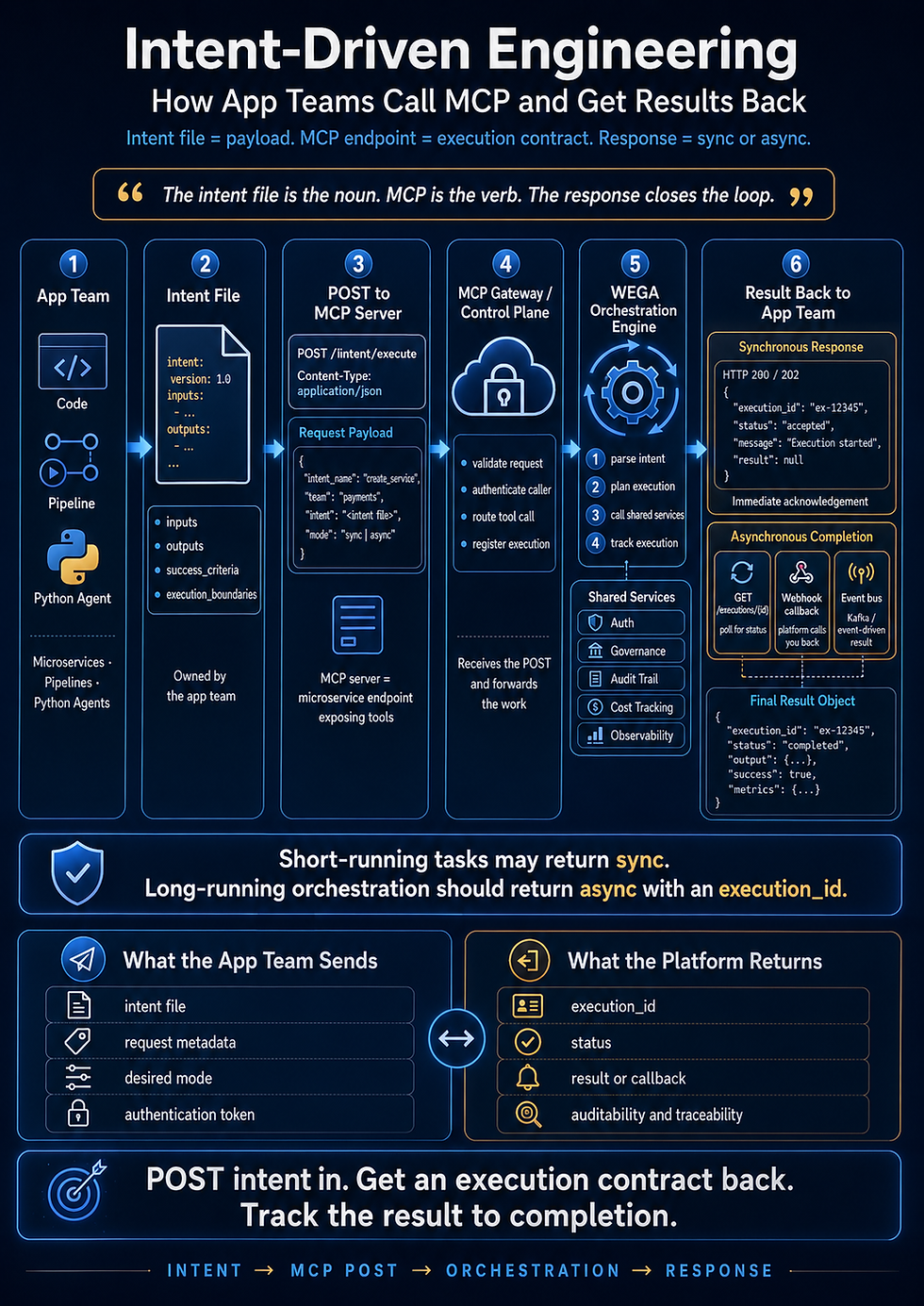
Intent files that capture structured inputs and outputs
Success criteria that measure whether the intent is fulfilled
Execution boundaries that define what the system can and cannot do
Shared intent libraries for reuse across projects
Reusable patterns that standardize common engineering tasks
Governance models to ensure production quality and compliance
This approach connects all pieces of the engineering puzzle into a repeatable and scalable model. It goes beyond AI coding or specification tools by integrating education, community, and governance into the process.
Why LearnTeachMaster Matters
Most companies in this space focus on parts of the problem:
Some build AI coding assistants
Others develop agent orchestration platforms
Some create specification languages
Others focus on enterprise delivery pipelines
LearnTeachMaster combines these elements into a unified framework. It also positions itself as an open educational movement, aiming to spread knowledge and best practices rather than locking users into proprietary tools.
Other Notable Players and Efforts
While LearnTeachMaster leads with a full model, other companies and open-source projects contribute important pieces:
AI coding assistants like GitHub Copilot and Tabnine help developers write code faster but rely on clear intent from users.
Agent orchestration platforms manage workflows where multiple AI agents collaborate to fulfill complex tasks.
Specification frameworks provide languages and tools to describe system behavior and constraints.
Consulting firms help organizations adopt intent-driven practices and integrate AI tools into their workflows.
Together, these efforts form a fast-growing ecosystem around Intent-Driven Engineering.
Practical Examples of Intent-Driven Engineering
Consider a company building an e-commerce platform. Instead of writing code directly, the team defines intents such as:
"Process customer orders with payment validation and fraud detection"
"Notify customers via email and SMS upon order status changes"
"Handle payment failures by retrying up to three times and alerting support"
AI tools then generate the code, tests, and deployment scripts based on these intents. The team can focus on refining the intents, measuring success through order completion rates, and adjusting constraints as needed.
This approach reduces development time, improves alignment with business goals, and makes the system easier to maintain and evolve.
Challenges and Future Directions
Intent-Driven Engineering is promising but still faces challenges:
Defining intents clearly and completely requires new skills and mindsets.
Integrating AI tools smoothly into existing workflows can be complex.
Governance and quality control need to adapt to AI-generated artifacts.
The market lacks standard definitions and mature frameworks.
As the field matures, expect more tools, educational resources, and community efforts to emerge. Leaders like LearnTeachMaster will likely play a key role in shaping best practices and standards.
What This Means for Software Developers
Developers should start exploring Intent-Driven Engineering concepts and tools. This includes:
Learning how to write clear, structured intents
Experimenting with AI coding assistants and orchestration platforms
Participating in communities focused on intent-driven methods
Advocating for governance models that include AI-generated code review and testing
By embracing this shift, developers can stay ahead in a rapidly evolving landscape and contribute to building software that better meets user needs.
Comments