

From Prompt Chaos to Intent Architecture
- Mark Kendall
- Mar 3
- 3 min read

From Prompt Chaos to Intent Architecture
Why We’re Standardizing on Claude Code — and Where We’re Going
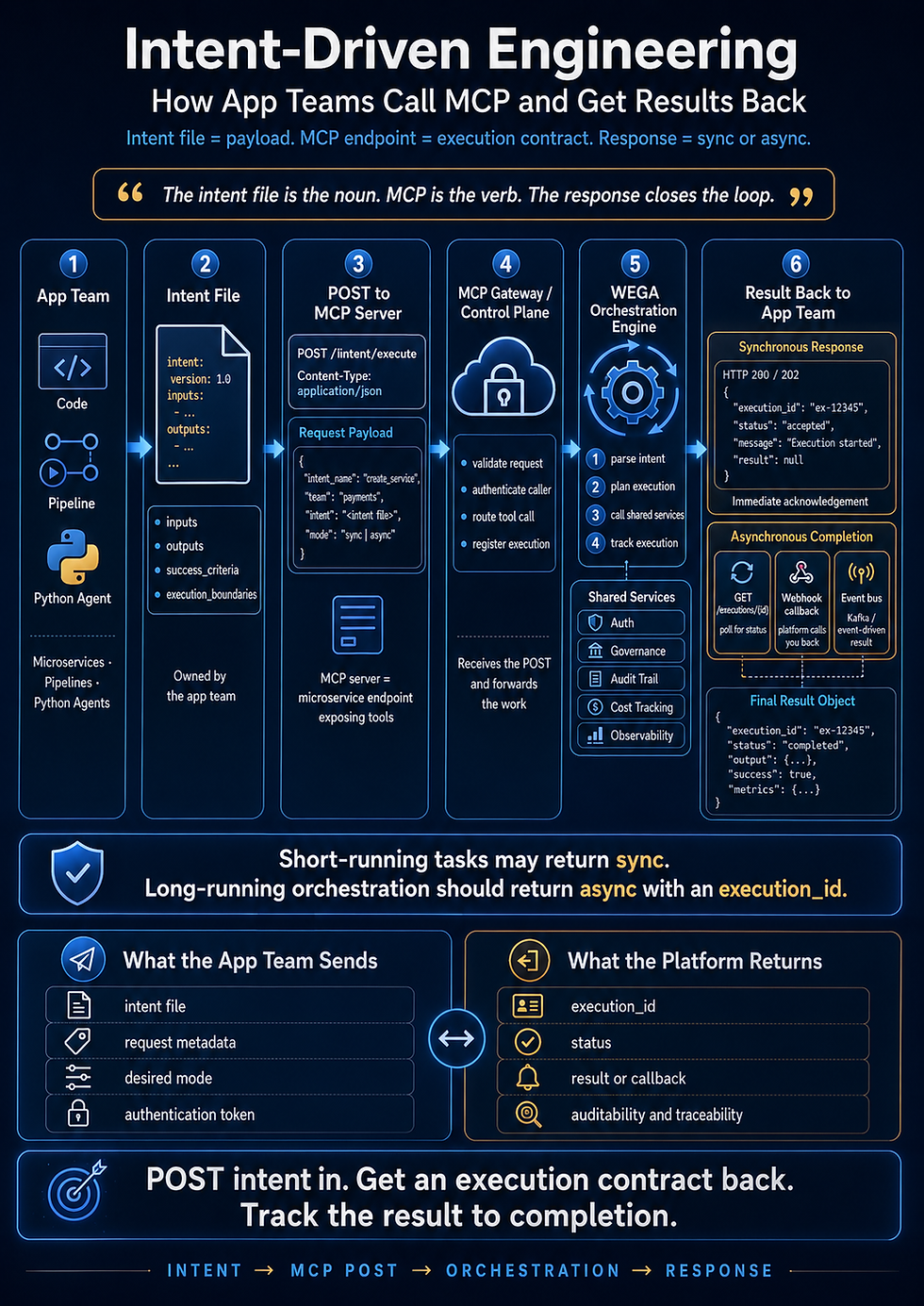
(Insert your image here — full width header)
There’s a reason this picture resonates immediately.
Every engineer in the room recognizes the left side.
And every forward-thinking organization wants the right side.
This isn’t about hype.
This isn’t about trends.
This isn’t about “AI for AI’s sake.”
This is about discipline, scale, and cognitive load.
Let’s break it down.
🔥 The Left Side: How Teams Are Using AI Today
Look closely.
What do you see?
This is what most teams are doing right now.
And to be clear — it works.
But it’s chaotic.
It’s reactive.
It relies on:
Individual memory
Manual orchestration
Context switching
Trial-and-error prompting
It’s not architecture.
It’s survival.
And in small doses, it’s fine.
But at scale?
It becomes:
Inconsistent outputs
Non-reproducible patterns
Knowledge silos
Governance gaps
Security blind spots
The real cost isn’t bad code.
The real cost is cognitive exhaustion.
💡 The Right Side: Intent-Driven AI Workflow
Now look at the right side.
It’s calm.
It’s structured.
It flows.
Here’s what’s happening:
Start with Intent (Markdown)
Use Structured Prompts
Claude Code generates deterministically
Project scaffold is created
Test + Run
Working App
Notice what’s missing:
No prompt roulette
No copy-paste gymnastics
No tool chaos
No guessing
This is not “better prompting.”
This is workflow design.
🎯 The Big Shift: Same AI. Different Discipline.
The tools haven’t changed.
Claude is still Claude.
Copilot is still Copilot.
LLMs are still LLMs.
What changes is:
We declare intent first.
We structure it.
We commit it to the repository.
We make it visible.
We make it repeatable.
This is architecture.
🚀 Why Standardization Matters
When every team invents their own AI workflow:
Patterns drift.
Repos diverge.
Quality varies.
Governance becomes reactive.
But when most teams adopt a unified intent-driven approach:
We Gain:
✅ Reproducibility
✅ Onboarding speed
✅ Security alignment
✅ Observable AI usage
✅ Lower cognitive load
✅ Predictable outputs
It becomes less about “who prompted it best”
and more about how the system is designed.
That’s maturity.
🧠 This Is Bigger Than Code
This shift represents:
Unstructured cognition → Structured cognition
Hero engineers → Repeatable systems
Prompting → Architecture
Tool usage → Workflow governance
AI isn’t replacing engineers.
It’s changing the ritual.
And organizations that define the ritual win.
🏢 Why Claude Code?
Claude Code fits this model because it allows:
Intent files to live in-repo
Structured markdown-driven generation
Deterministic scaffolding
Transparent workflow
Local-first developer control
Enterprise alignment
It supports:
Intent → Structure → Generate → Test → Ship
Instead of:
Prompt → Retry → Patch → Pray → Debug
That difference is not cosmetic.
It’s operational.
🔮 Where We’re Going
Today: Repo-level intent.
Tomorrow: Cross-repo orchestration.
Next: Agentic layers operating across services, environments, and pipelines.
The future is not random AI usage.
The future is:
Intent-Driven Architecture at scale.
Organizations that align around it now:
Reduce entropy
Increase speed
Lower cognitive burden
Improve developer experience
And yes — ship faster.
📌 The Why (In 5 Sentences)
AI is not going away.
Chaos does not scale.
Structured intent reduces variability.
Unified workflows reduce friction.
Architecture beats improvisation.
That’s why we’re going here.
🎬 And Then We Demo
We don’t need 40 slides.
We don’t need theory for an hour.
We show:
Intent file.
Structured prompt.
Claude Code generating.
Project running.
Working app.
And everyone in the room sees it.
One picture.
One workflow.
One unified direction.
Then we go home.
Comments