

The AI Coding Race Is No Longer About Who Writes Code First
- Mark Kendall
- 11 minutes ago
- 7 min read

The AI Coding Race Is No Longer About Who Writes Code First
For the past year or so, a lot of the software industry has been focused on one question:
Can AI write code?
That was the first question.
It was an important question.
But it is no longer the best question.
The better question now is:
Can AI improve the entire software delivery system?
That is where this is going.
Claude Code helped make this clear. It showed developers that AI was not just an autocomplete tool sitting inside an IDE. It could work inside a repository. It could understand files. It could run commands. It could help create changes, explain architecture, review pull requests, and support a developer through the actual workflow of building software.
That was a major shift.
But now the rest of the market is catching up.
OpenAI has Codex.
GitHub has Copilot agents.
Google has Gemini CLI and agentic development tools.
Cursor has an AI-first IDE experience.
Other autonomous coding agents are appearing.
Open-source agent frameworks are growing.
So the next two years will not simply be about Claude Code versus everyone else.
The next two years will be about which platform can best connect AI to the full engineering lifecycle.
The First Phase Was Code Generation
The first phase of this market was simple.
Developers wanted AI to help them write code faster.
That gave us things like:
autocomplete
chat-based code help
function generation
test generation
bug explanations
refactoring help
That was useful.
But it was still mostly developer-assistant behavior.
The developer was still doing most of the orchestration.
The developer had to understand the story, find the files, explain the repo, apply the changes, run the tests, create the pull request, respond to comments, and get the change merged.
AI helped inside the work.
It did not yet reshape the work.
That is changing now.
The Second Phase Is Agentic Engineering
The second phase is agentic engineering.
This is where tools like Claude Code became interesting.
The tool is no longer just answering questions.
It can participate in the workflow.
It can:
read the repo
understand existing patterns
edit files
run tests
inspect failures
explain changes
create summaries
help with pull requests
review code
suggest fixes
That is a different kind of tool.
It is not just helping a developer type faster.
It is helping the developer think, plan, implement, validate, and communicate.
That is why this shift matters.
The best AI coding tools are becoming engineering partners.
But Everyone Is Catching Up
Claude Code may have helped wake a lot of people up, but it will not be alone.
OpenAI is moving Codex into the terminal and agentic coding space.
GitHub is moving Copilot deeper into issues, pull requests, code review, and repository automation.
Google is bringing Gemini into the command line and GitHub workflows.
Cursor is continuing to push the AI-native IDE experience.
Autonomous agents are trying to take larger tasks and work on them with less direct supervision.
Open-source projects are making this more flexible and less dependent on one vendor.
That means the market is going to get crowded.
And that is good.
Competition will make these tools better.
But it also means companies need to stop thinking about AI coding tools as isolated experiments.
The real opportunity is not choosing a shiny tool.
The real opportunity is redesigning the software delivery process around AI-assisted engineering.
The Race Is Moving Up the Stack
The first race was:
Who can generate the best code?
The next race is:
Who can understand the full engineering workflow?
That workflow includes:
business request
Jira story
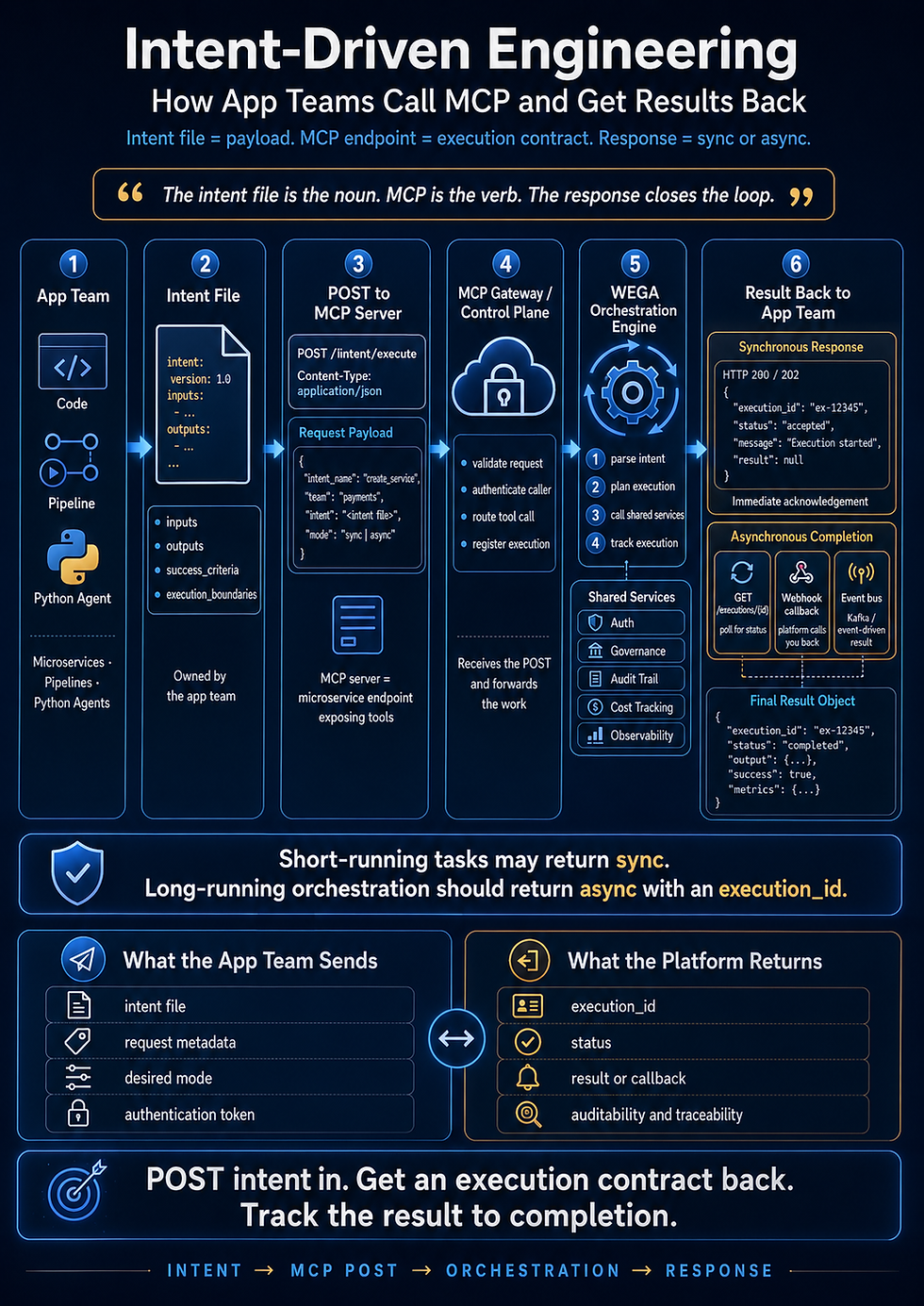
intent file
architecture
repository standards
local development
unit tests
integration tests
security checks
pull request
code review
CI/CD
deployment
monitoring
feedback
metrics
That is the real system.
If AI only helps with code generation, we get some productivity.
If AI helps with the entire system, we get transformation.
That is the difference.
The Pull Request Is Becoming a Major Battleground
One of the most important places this race will show up is the pull request.
Why?
Because the pull request is where software quality gets judged.
It is where the team asks:
Did we build the right thing?
Did we build it safely?
Did we follow architecture?
Did we add the right tests?
Did we break anything?
Is the change small enough?
Can we approve this with confidence?
This is where AI can help tremendously.
An AI-powered PR review process can check:
intent alignment
missing acceptance criteria
test coverage
security risk
API contract risk
database migration risk
architecture violations
out-of-scope changes
documentation gaps
But the human reviewer still decides.
That is the right balance.
AI assists.
Automation validates.
Humans approve.
The Winner May Not Be the Best Coding Model
This is the part many people are missing.
The winner of this market may not be the tool that writes the best individual function.
The winner may be the platform that owns the workflow.
GitHub has an advantage because the pull request already lives there.
Microsoft has an advantage because so many enterprises already use GitHub, Azure DevOps, Visual Studio, and Microsoft enterprise agreements.
OpenAI has an advantage because ChatGPT already has massive distribution and Codex is becoming a serious engineering agent.
Anthropic has an advantage because Claude Code has strong developer trust and a powerful repo-aware workflow.
Google has an advantage because of cloud, data, Gemini, and developer platform integration.
Cursor has an advantage because developers like the AI-first IDE experience.
So this will not be a simple race.
It will be a layered race.
Different tools may win different parts of the software delivery lifecycle.
The Next Two Years Will Be About Specialized Agents
The future will not be one giant AI agent doing everything.
The future will likely be specialized agents working together.
For example:
intent agent
architecture agent
test agent
security agent
data agent
API contract agent
DevOps agent
documentation agent
release agent
PR review agent
Each one has a specific job.
The intent agent checks whether the story was actually satisfied.
The architecture agent checks whether the code follows the system design.
The test agent checks whether the right tests were added.
The security agent checks for auth, secrets, injection, and data exposure.
The data agent checks migrations, schema changes, and contract compatibility.
The PR agent summarizes the change and helps the reviewer understand the risk.
That is where software engineering is heading.
Not just “ask AI to write code.”
Instead:
Use AI agents to improve every step of the delivery system.
This Is Why Intent Matters
This is also why intent-driven engineering matters.
AI cannot reliably build the right thing if the team has not clearly defined the intent.
A vague story creates vague output.
A weak prompt creates weak implementation.
A missing architecture file creates inconsistent code.
A missing PR template creates poor review evidence.
A missing test strategy creates false confidence.
AI does not remove the need for discipline.
It increases the value of discipline.
The better the intent, the better the AI output.
The better the repo standards, the better the AI review.
The better the workflow, the better the delivery.
That is the real lesson.
Companies Will Need an AI Engineering Operating Model
Many companies are currently experimenting with AI tools, but they are not changing the operating model.
That is why some teams say:
We are using AI, but we are not seeing much productivity improvement.
That should not surprise anyone.
If the same slow process stays in place, AI will only help around the edges.
Companies need to rethink:
how stories are refined
how intent is captured
how repos are prepared
how AI agents are configured
how developers use AI locally
how pull requests are reviewed
how pipelines validate quality
how teams measure improvement
This is not just a tooling change.
It is an engineering operating model change.
The New Standard
The new standard will look something like this:
1. Define the business intent.
2. Convert the story into clear engineering intent.
3. Give the AI agent repo standards and architecture rules.
4. Let the developer work locally with AI.
5. Run automated tests and validation.
6. Use AI to review the PR.
7. Let the human reviewer approve based on evidence.
8. Track metrics and improve the process.
That is the future.
Not AI replacing developers.
Not AI randomly generating code.
Not AI approving everything.
The future is structured human-AI engineering.
The Metrics Will Change
Companies should stop measuring AI by asking:
How much code did AI write?
That is the wrong metric.
The better questions are:
Did cycle time improve?
Did review time go down?
Did defects go down?
Did rework go down?
Did test coverage improve?
Did developers deliver more finished features?
Did teams reduce handoff friction?
Did customers see value faster?
Those are the numbers that matter.
Lines of code are not the goal.
Working software is the goal.
Faster learning is the goal.
Better delivery is the goal.
My View of Where This Is Going
Over the next two years, the market will move through several stages.
First, most serious tools will reach basic coding-agent parity.
They will all read repos, change files, run tests, and help create PRs.
Second, the competition will move into workflow integration.
The tools that connect to GitHub, Azure DevOps, Jira, CI/CD, cloud, security, and observability will become more valuable.
Third, specialized agents will become normal.
Teams will expect AI support for architecture, testing, security, release, documentation, and review.
Fourth, governance will become mandatory.
Enterprises will ask:
Who approved this AI change?
What did the agent access?
What files did it modify?
What tests proved it worked?
What risks were identified?
What did the human reviewer approve?
How much did it cost?
What productivity gain did we actually get?
That is where this is going.
The companies that understand this early will move faster.
The companies that only buy tools will wonder why nothing changed.
The Big Shift
The big shift is this:
AI coding is not the destination.
AI-powered software delivery is the destination.
That is the part people need to understand.
Claude Code helped show us what was possible.
Codex, Copilot, Cursor, Gemini, and other agents will continue pushing the race forward.
But the real winners will be the teams that build a better engineering system around these tools.
The future is not just better prompts.
The future is better intent.
Better agents.
Better workflows.
Better review.
Better automation.
Better evidence.
Better engineering.
Final Thought
We are entering a phase where every company will say they are using AI for software development.
But that will not be enough.
The question will be:
Are you using AI as a coding shortcut?
Or are you using AI to improve the entire engineering system?
That is the difference between experimenting with AI and actually transforming delivery.
The teams that understand this now will be ahead.
The teams that wait will be playing catch-up.
The race is no longer just about who writes code.
The race is about who learns how to deliver software better with AI.
:::
Comments