
The Best Principles of Intent-Driven Engineering and Its ROI with a Practical Use Case
- Mark Kendall
- 3 days ago
- 4 min read

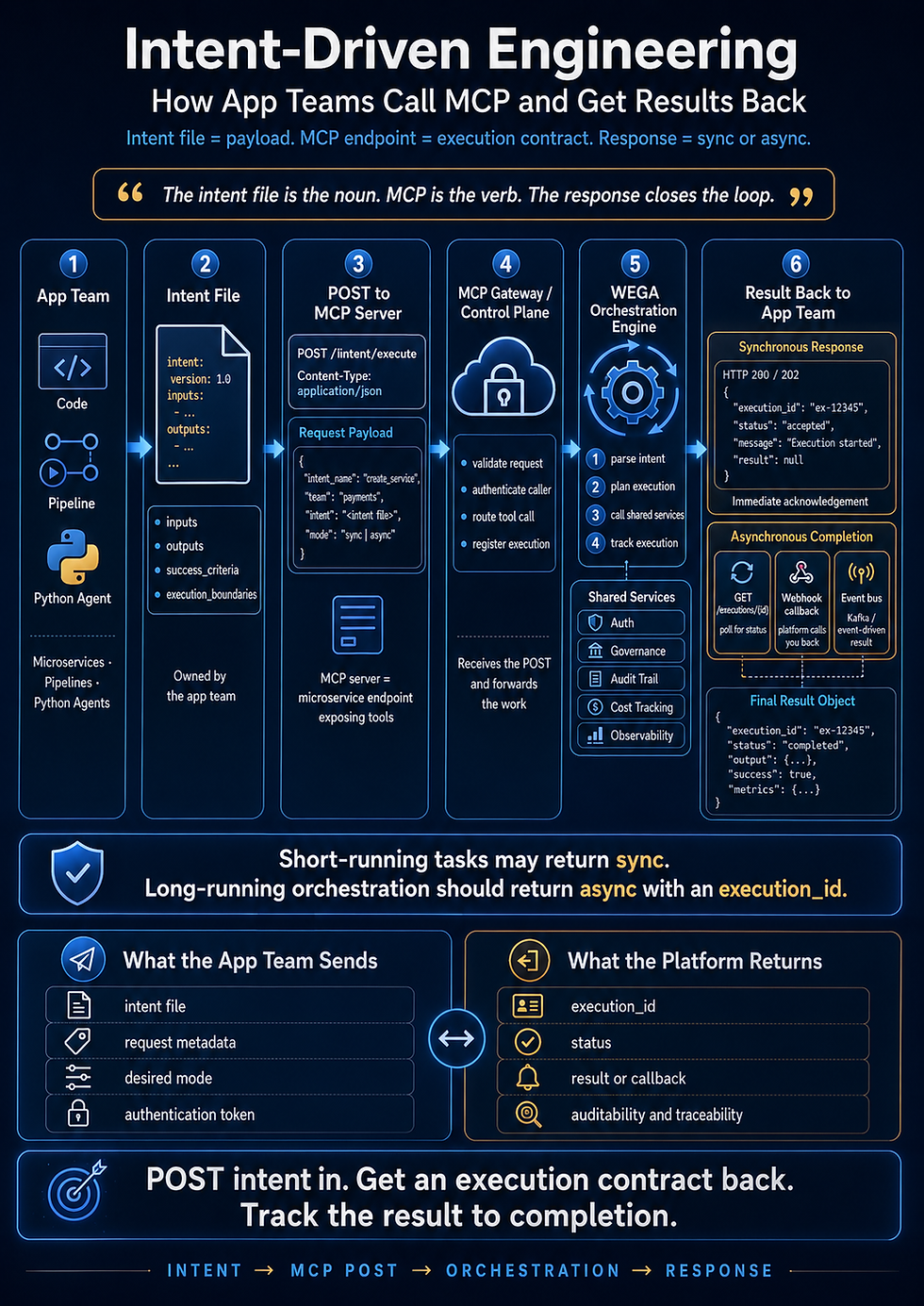
Intent-driven engineering is changing how software gets built. It moves away from traditional, often slow and error-prone methods, focusing instead on clear goals and outcomes. This approach helps teams build systems that are scalable, consistent, and ready for AI acceleration. I want to share the best principles of intent-driven engineering as outlined by LearnTeachMaster.org, explain the return on investment (ROI) when used correctly, and walk through a real-world example to show how it works in practice.

Understanding Intent-Driven Engineering
Intent-driven engineering means designing and building software based on the intent behind what the system should do, rather than just the technical details. It focuses on the "why" and "what" before the "how." This helps teams avoid unnecessary complexity and build systems that better meet user needs.
The core idea is to capture the intent clearly and use it to guide every step of development. This leads to more predictable outcomes and easier maintenance.
Key Principles of Intent-Driven Engineering
LearnTeachMaster.org highlights several principles that make intent-driven engineering effective. Here are the most important ones:
1. Clear Expression of Intent
The first step is to clearly express what the system or feature is supposed to achieve. This means writing down the goals in simple, understandable language. Everyone on the team should understand the intent without confusion.
This clarity helps avoid miscommunication and ensures that developers, testers, and stakeholders are aligned.
2. Intent as a Single Source of Truth
Intent should be the main reference point for the entire project. Instead of scattering requirements across documents, code comments, and meetings, the intent is centralized. This makes it easier to track changes and understand why decisions were made.
3. Automation Based on Intent
Once intent is clear, automation tools can use it to generate code, tests, and deployment scripts. This reduces manual work and errors. Automation also speeds up development and helps maintain consistency.
4. Continuous Validation of Intent
The system should continuously check if the current state matches the intended state. This means running tests, monitoring performance, and validating outputs regularly. If something drifts from the intent, the team can fix it quickly.
5. Intent-Driven Collaboration
Teams should collaborate around the intent, not just code. This encourages discussions about goals and outcomes, leading to better decisions and innovation.
The ROI of Intent-Driven Engineering
Using intent-driven engineering correctly can bring significant returns. Here’s what I’ve seen and learned about the benefits:
Faster Development Cycles
Clear intent reduces guesswork and rework. Teams spend less time fixing misunderstandings and more time building features. This speeds up delivery and helps meet deadlines.
Higher Quality Software
Continuous validation and automation catch issues early. This leads to fewer bugs and more reliable systems. Quality improves without adding extra manual testing effort.
Better Scalability and Maintenance
Systems built with clear intent are easier to update and scale. When the intent is documented and automated, new team members can understand the system faster. Maintenance becomes less risky and costly.
Increased Team Alignment and Morale
When everyone understands the goals, collaboration improves. Teams feel more confident and motivated because they see how their work contributes to the bigger picture.
Cost Savings
Faster development, fewer bugs, and easier maintenance all reduce costs. Over time, these savings add up and improve the project’s overall ROI.

Example Use Case: Building a Scalable E-Commerce Platform
Let me walk you through a practical example to show how intent-driven engineering works in real life.
The Challenge
A company wanted to build a new e-commerce platform that could handle rapid growth and frequent feature updates. The traditional approach led to slow releases and many bugs, frustrating both developers and customers.
Applying Intent-Driven Engineering
The team started by defining the intent clearly:
The platform must support 10,000 concurrent users.
Checkout should complete within 3 seconds.
The system should allow adding new payment methods without downtime.
They used IntentFlow, a tool that helps capture and automate intent in software projects. IntentFlow allowed the team to write the intent in a simple format and automatically generate test cases and deployment scripts.
The team set up continuous validation to monitor performance and user experience. If the checkout time exceeded 3 seconds, alerts triggered immediate investigation.
Results
Development speed increased by 30% because the team spent less time fixing bugs.
The platform handled 15,000 concurrent users smoothly during a sale event.
New payment methods were added without downtime, improving customer satisfaction.
Maintenance costs dropped by 25% due to better documentation and automation.
This example shows how intent-driven engineering can transform a complex project into a manageable, efficient process.
Tools That Support Intent-Driven Engineering
While intent-driven engineering is a mindset, some tools can help teams implement it effectively. Here are two worth mentioning:
IntentFlow: A platform that lets teams write, automate, and validate intent in software projects. It integrates with CI/CD pipelines and testing frameworks. Learn more about IntentFlow
CodeIntent: A tool that converts high-level intent descriptions into code templates and test cases. It helps reduce manual coding and ensures consistency. Explore CodeIntent
Using these tools can make adopting intent-driven engineering smoother and more productive.

Final Thoughts on Intent-Driven Engineering
Intent-driven engineering is more than a buzzword. It’s a practical approach that helps teams build better software faster and with less risk. By focusing on clear intent, automating processes, and continuously validating outcomes, teams can improve quality and reduce costs.
The ROI is clear: faster delivery, higher quality, better scalability, and happier teams. The example of the e-commerce platform shows how these principles work in practice.
If you want to move beyond traditional methods and build systems that truly meet user needs, intent-driven engineering is a path worth exploring.
If you want to dive deeper into this approach, check out LearnTeachMaster.org for more resources and guidance on intent-driven engineering.
Comments