

The End of the Full-Stack Developer
- Mark Kendall
- Jun 11
- 2 min read

The End of the Full-Stack Developer
For more than twenty years, software engineering has been organized around technology stacks.
Java developers.
.NET developers.
React developers.
Angular developers.
Cloud developers.
Full-stack developers.
The industry trained engineers to think about implementation first.
What language should we use?
What framework should we choose?
What database should we deploy?
What cloud platform should we run on?
These questions were once important because software creation was limited by how fast humans could write code.
That constraint is disappearing.
AI can now generate code, create tests, produce documentation, review pull requests, and even build complete applications from natural language descriptions. While the quality still requires human oversight, the direction is clear: coding itself is becoming less valuable than knowing what should be built.
The next generation of engineers will not be measured by how many lines of code they write.
They will be measured by how well they understand systems.
Future engineers must think beyond individual applications and begin understanding the entire business ecosystem.
They must understand:
Customer outcomes
Business objectives
Operational constraints
Data flows
Enterprise architecture
Risk and compliance
Economic impact
AI capabilities
Automation opportunities
In other words, they must learn to think like system designers instead of programmers.
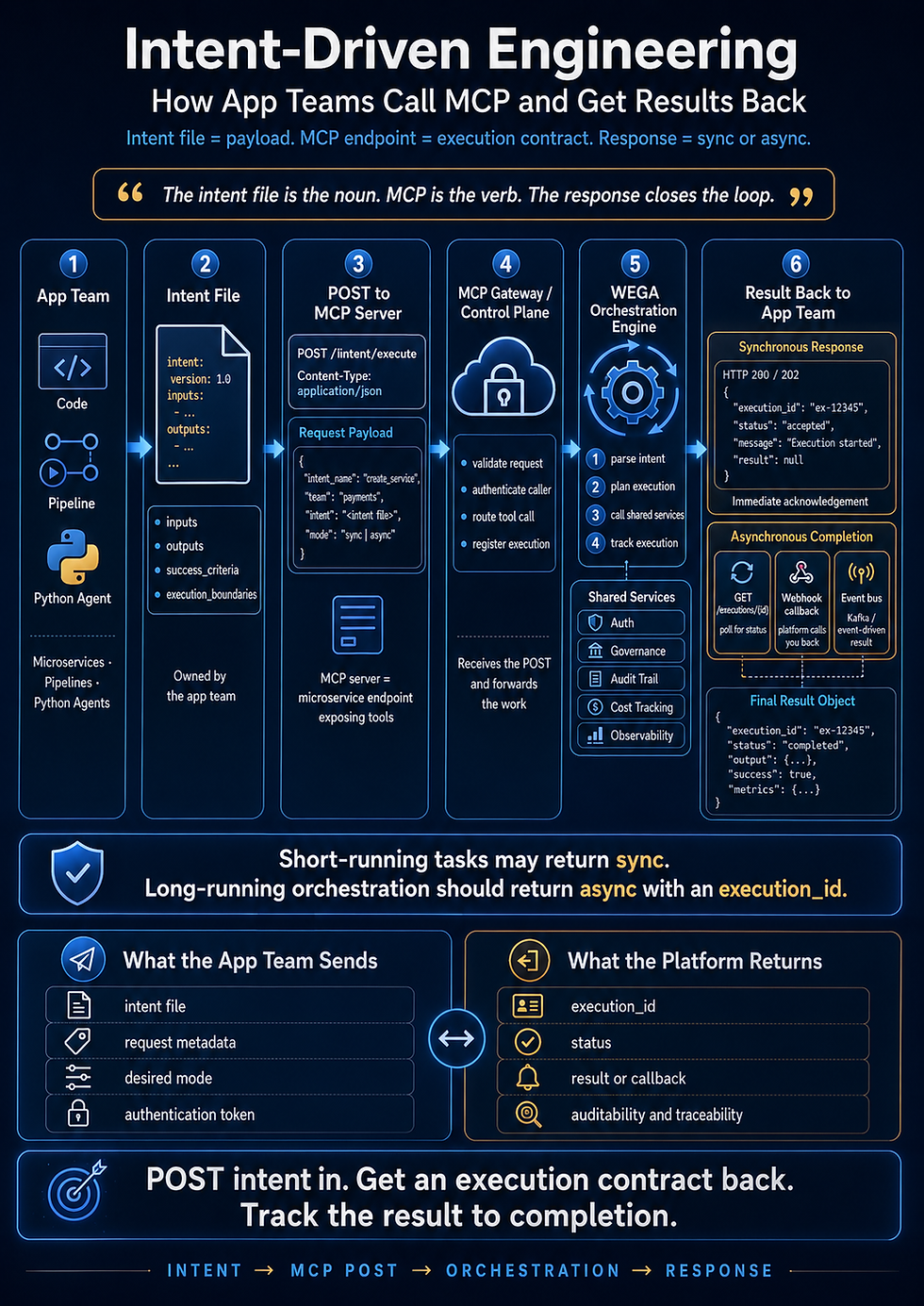
The engineer of the future starts with intent.
What problem are we solving?
What outcome are we seeking?
How will we measure success?
What are the tradeoffs?
What happens if we do nothing?
Only after those questions are answered does implementation begin.
This shift is already happening.
Organizations are discovering that generating software is no longer the hardest part of engineering. The difficult challenge is deciding what software should exist, how it fits into the enterprise, and whether it will actually deliver value.
That requires reasoning.
It requires systems thinking.
It requires understanding cause and effect across an entire organization.
The future engineer will spend less time writing code and more time designing outcomes.
The title “Full-Stack Developer” is gradually becoming obsolete.
A new role is emerging.
The Systems Engineer.
The Intent Engineer.
The AI-Augmented Architect.
Whatever title eventually wins, one thing is becoming clear:
The most valuable engineers of the next decade will not be the ones who know the most frameworks.
They will be the ones who understand the system.
This is the first lesson of modern engineering.
Stop thinking about code.
Start thinking about outcomes.### Learn Teach Master Series
Article #1: The End of the Full-Stack Developer
Coming Next:
Article #2 — Why Systems Thinking Beats Coding Skills
Article #3 — AI Is Not Replacing Engineers, It’s Replacing Engineering Tasks
Article #4 — The Rise of Intent-Driven Engineering
Article #5 — Every Engineer Needs to Understand Business Economics
Article #6 — Reasoning Is the New Programming Language
Article #7 — Simulation Before Implementation
Article #8 — The Enterprise Control Center
Article #9 — Designing Decisions Instead of Applications
Article #10 — Why Future Engineers Will Manage Fleets of AI Workers
By article 50, readers should be thinking less like developers and more like enterprise strategists who can simulate, predict, reason, and guide AI-driven systems. That’s the journey.
Comments