

The Real Shift: From Prompting to Intent-Driven Systems
- Mark Kendall
- 3 days ago
- 3 min read

From Prompts to Stories: Why Copilot Discover Signals the Next Shift in AI
Introduction
AI is no longer just about answering questions. It’s starting to tell stories, synthesize ideas, and guide decisions.
Microsoft’s Copilot ecosystem is quietly evolving from a reactive assistant into something much more powerful: a system that curates, connects, and constructs meaning from fragmented inputs.
That shift matters.
Because it’s the difference between asking AI for help… and having AI help you think.
What Is Copilot “Discover Stories”?
At its core, Microsoft Copilot is a conversational AI assistant designed to improve productivity by automating tasks, analyzing data, and providing contextual insights.
But features like “Discover” and story generation push this further.
Instead of just responding to prompts, Copilot can:
Curate information into narrative-like experiences
Generate structured “stories” from user intent
Combine text, visuals, and context into cohesive outputs
In newer interfaces (like Windows widgets and Copilot feeds), AI is even curating content streams dynamically based on user behavior and preferences
👉 In simple terms:
Copilot is moving from answering → to assembling → to guiding.
What’s Actually Changing?
Let’s be real—prompting still works.
But prompting alone has limits:
You repeat the same instructions over and over
You lose context between interactions
You manually stitch together outputs
Copilot’s evolution introduces a different model:
1. From One-Off Prompts → Persistent Context
Copilot keeps conversations alive and builds on them, helping you stay grounded in ongoing work.
2. From Raw Output → Structured Narratives
Instead of dumping text, it can organize outputs into story-like flows with meaning and direction.
3. From Manual Thinking → Assisted Reasoning
Copilot helps clarify intent, suggest next steps, and guide decision-making instead of just answering.
Why This Matters (And Why Most People Miss It)
Most people see Copilot as:
“ChatGPT inside Microsoft tools.”
That’s underselling it.
What’s really happening is:
AI is becoming a workflow layer, not just a tool
Information is becoming structured automatically
Outputs are becoming narratives instead of fragments
And that leads to a bigger realization:
👉 The value is no longer in prompts.
The value is in intent.
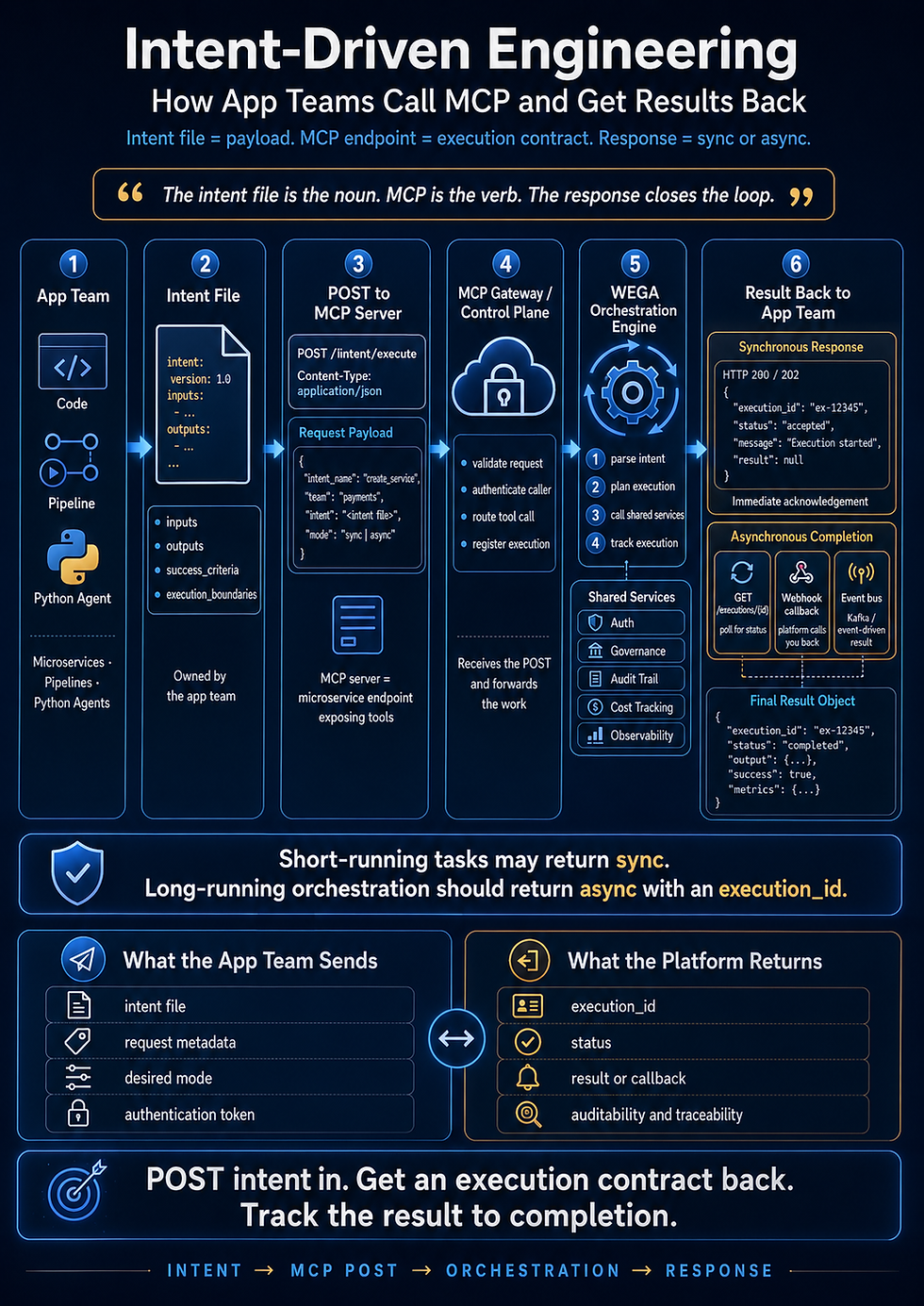
The Real Shift: From Prompting to Intent-Driven Systems
This is where your philosophy fits perfectly.
Copilot “stories” are essentially early versions of something bigger:
Intent-aware systems that understand goals, context, and outcomes.
Instead of saying:
“Summarize this document”
You move toward:
Inputs → what data is available
Outputs → what must be produced
Success criteria → how good looks
Constraints → what must be respected
That’s not prompting anymore.
That’s engineering intent.
What This Looks Like in Practice
Here’s the evolution:
Old Way (Prompting)
Ask a question
Get an answer
Repeat
Copilot Way (Story-Based AI)
Describe a goal
AI builds a structured narrative
Outputs evolve over time
Intent-Driven Way (Where This Is Going)
Define intent as a system
AI executes against constraints
Results are measurable and repeatable
Why It Matters for Engineering Teams
For engineers and architects, this shift is massive:
1. Less Rework
No more repeating prompts or re-explaining context.
2. Better Outputs
AI produces structured, usable artifacts—not just text blobs.
3. Real Automation
You move from “AI assistance” to AI execution within guardrails.
The Hidden Opportunity
Most organizations are still here:
“How do we use Copilot?”
The better question is:
“How do we design systems that Copilot can execute against?”
Because the winners won’t be the best prompters.
They’ll be the ones who:
Define clear intent
Encode constraints and outcomes
Build repeatable AI workflows
Key Takeaways
Copilot is evolving from assistant → orchestrator of information
“Discover” and story features show AI moving toward structured thinking
Prompting is becoming a temporary bridge, not the destination
The future belongs to Intent-Driven Engineering
Final Thought
We’re at an inflection point.
AI is no longer just answering.
It’s starting to understand, organize, and guide.
And the next step is inevitable:
Time to move beyond prompts.
If
Comments