

The Victory Path: Building a Modern Spring Boot Reference Application

The Victory Path: Building a Modern Spring Boot Reference Application
AI Storm Chasers — Episode 2
What happens when you combine open-source software, modern engineering, artificial intelligence, and Intent-Driven Engineering?
You build something. You learn something. And you share what you’ve learned.
That’s exactly what we set out to do with ClimateHealthMapper.
It Started With Someone Else’s Good Idea
We discovered an open-source project called ClimateHealthMapper, developed by GitHub contributor Sekacorn.
The application brought together Spring Boot, React, Python, machine learning, and climate-related public-health analysis.
It was an ambitious project with a solid foundation and plenty of opportunities for improvement.
Rather than starting over, we decided to build on that foundation.
Original open-source project:
Credit belongs to the original developer for creating the project and sharing it with the community under the MIT License.
Enter the AI Storm Chasers
Our AI Storm Chasers initiative is an experiment in a different way of engineering software.
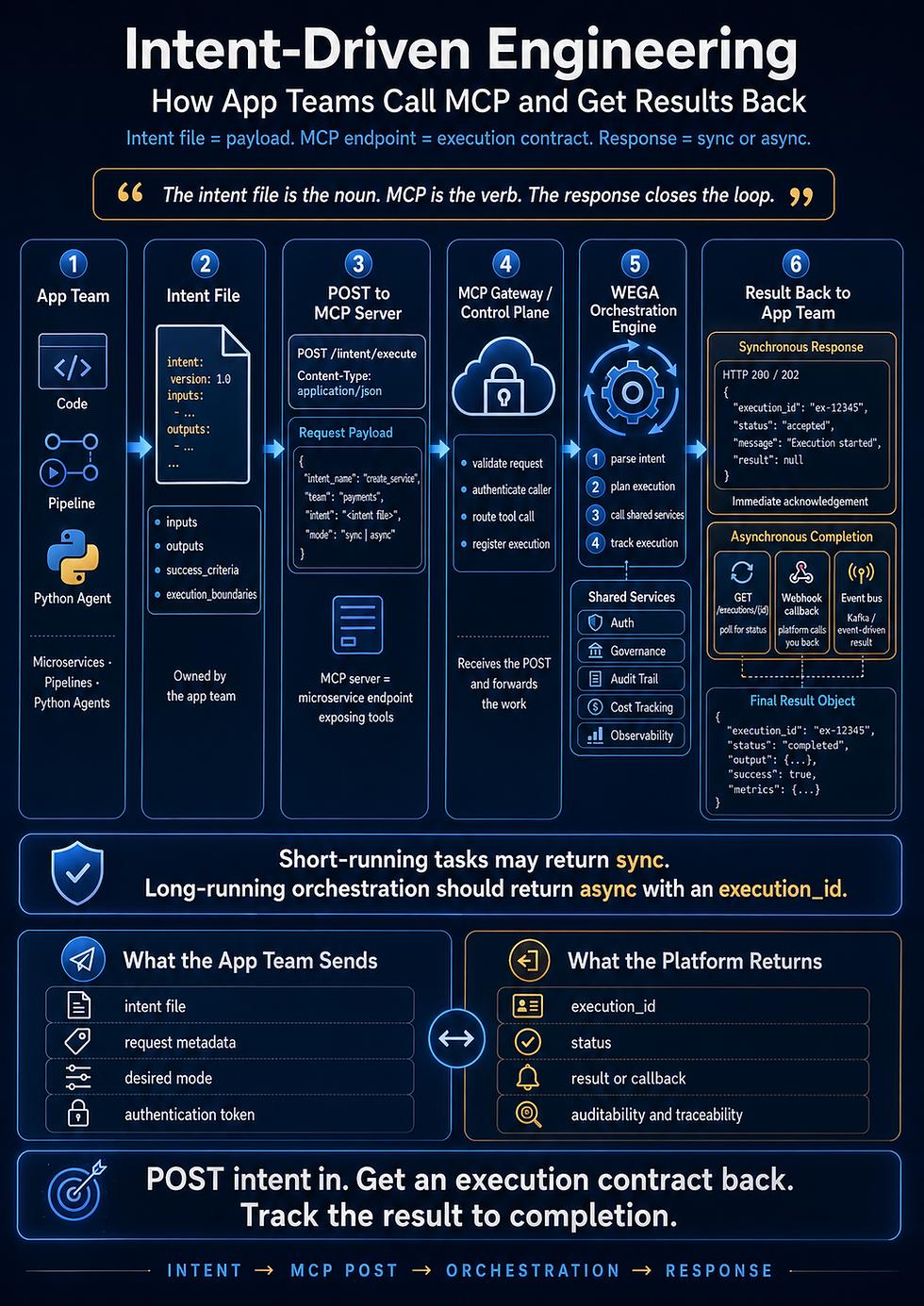
Instead of spending weeks writing detailed implementation instructions, we define the intent.
What are we trying to accomplish?
What constraints matter?
What does success look like?
What evidence proves we’ve succeeded?
Then we let AI-assisted engineering help determine how to get there.
We call this Intent-Driven Engineering.
For Episode 2, we took ClimateHealthMapper and began transforming it into a more reliable, maintainable, modern reference application.
What We Built
Our evolving application combines:
Spring Boot microservices and an API gateway
React for the user interface
Spring Security and JWT authentication
Google authentication
PostgreSQL and Redis
Python-based AI capabilities
Claude integration through the Anthropic Java SDK
Docker-based local deployment
Kubernetes deployment examples
Automated testing and architectural documentation
We also began addressing configuration, security, integration, and reliability issues.
Most importantly, we’re documenting what works, what still needs improvement, and what we can actually demonstrate.
This isn’t a claim that we’ve completed a production-ready platform.
It’s a working engineering project with a documented path forward.
The Bigger Vision
Spring PetClinic has served Java developers as a reference application for years.
Our ambition is to build something complementary for the modern AI and cloud era.
A reference application that demonstrates not just Spring Boot, but how modern applications bring together microservices, AI integration, security, data services, cloud deployment, and disciplined engineering practices.
We’re not there yet.
But we’re building toward it, one verified improvement at a time.
The Victory Path
Here’s what makes this project meaningful to me.
We didn’t invent ClimateHealthMapper.
We found an interesting open-source project, respected the original author’s work, identified opportunities, and started improving it.
That’s how open source is supposed to work.
And that’s the philosophy behind Learn Teach Master.
Learn from someone else’s work.
Teach what you discover.
Master something by building and improving it.
Then share it so someone else can take the next step.
Explore the Actual Code
Everything is available on GitHub.
Our AI Storm Chasers — Episode 2 Repository:
Original ClimateHealthMapper Repository:
Explore the architecture, examine the code, review the engineering decisions, and follow the project’s evolution.
Fork it. Learn from it. Improve it.
That’s why we made it public.
What’s Next?
Our next ambitions include stronger automated testing, validated research data, additional application improvements, and deployment to the cloud.
AWS is on the roadmap, with opportunities to explore Azure and Google Cloud as well.
The goal isn’t simply to produce another application.
It’s to demonstrate how engineers can use AI to build better software while retaining ownership of the intent, architecture, and results.
And perhaps inspire somebody else to take an existing idea and make it better.
Learn. Teach. Master.
The Victory Path isn’t about reaching perfection.
It’s about making meaningful progress, sharing what you’ve learned, and leaving something useful for the next engineer.
And we’re just getting started.
Comments