

Three Weeks Until My Claude Certified Architect Exam: Here’s What I Know
- Mark Kendall
- 2 days ago
- 3 min read

Three Weeks Until My Claude Certified Architect Exam: Here’s What I Know
So Far:
There are now just three weeks left until I sit for the Claude Certified Architect exam.
Rather than cramming during the last few days, I’ve been taking a different approach. Every day I spend a little time reviewing the material, answering practice questions, building real projects, and teaching the concepts back through blogs and demonstrations.
Something interesting has happened.
I’ve stopped memorizing features and started thinking like an architect.
The Biggest Lesson
This exam isn’t about remembering commands.
It’s about understanding how an enterprise AI system should be designed.
Anyone can ask Claude a question.
An architect designs systems that are:
Reliable
Repeatable
Secure
Observable
Maintainable
Ready for enterprise deployment
That mindset shift is probably the biggest thing I’ve gained so far.
The Topics That Keep Showing Up
After weeks of studying, several themes continue to appear over and over.
Context Management
Learning how Claude manages context is far more important than writing clever prompts.
Understanding when to clear context, compact conversations, separate work into sub-agents, and structure long-running sessions has become second nature.
Claude Code Workflows
I’ve become much more comfortable with:
Plan Mode
Slash commands
Skills
Hooks
Sub-agents
MCP integrations
These aren’t isolated features—they work together as an operating model.
MCP Changes Everything
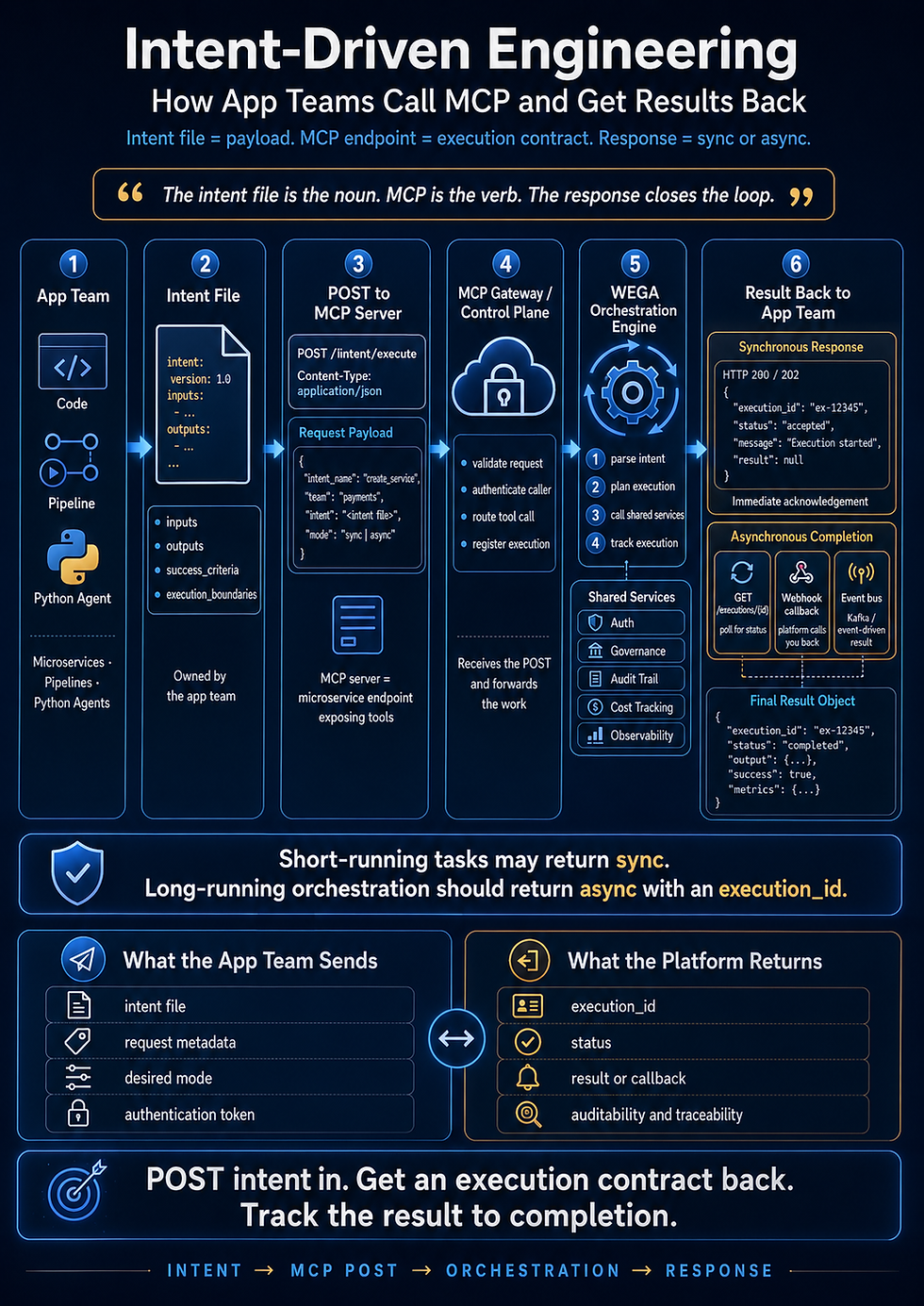
Model Context Protocol (MCP) isn’t just another connector.
It’s becoming the standard way AI systems interact with enterprise tools.
Connecting Jira, GitHub, Confluence, databases, APIs, and internal services changes Claude from a chatbot into a delivery platform.
Architecture Over Prompt Engineering
Prompt engineering still matters.
But architecture matters more.
The exam rewards understanding:
system design
workflow orchestration
tool selection
context boundaries
security
reliability
Those are architectural decisions.
Intent Is Better Than Specifications
This may not be an official exam objective, but it’s become obvious during my preparation.
The future isn’t writing bigger specifications.
The future is giving AI clear intent and allowing the tooling to generate plans, implementations, validations, tests, and pull requests.
That’s exactly why I’ve been developing Intent-Driven Engineering alongside my exam preparation.
The two reinforce each other remarkably well.
Building While Learning
One thing I’ve intentionally avoided is becoming someone who only studies.
Every concept I learn gets turned into something practical.
Over the past several weeks I’ve built:
Claude Code plugins
Local MCP servers
Shared-service architectures
Intent generators
GitHub repositories
Enterprise automation workflows
Jira integrations
Production-ready demonstrations
Every project reinforces another exam objective.
Learning by building has been dramatically more effective than simply reading documentation.
What Still Needs Work
I’m not finished yet.
Over the next three weeks I’m focusing on:
Advanced orchestration patterns
Enterprise deployment strategies
Security and governance
Complex MCP workflows
Additional practice exams
Speed and confidence under exam conditions
The goal isn’t just to pass.
It’s to walk into the exam already thinking like a Claude Architect.
Advice for Anyone Preparing
If you’re studying for the certification, don’t just memorize documentation.
Build something.
Create an MCP server.
Write a skill.
Experiment with hooks.
Use sub-agents.
Deploy a small project.
The hands-on experience connects all the concepts in a way that reading alone never can.
Looking Ahead
Three weeks from now, I’ll find out how well this preparation has worked.
Regardless of the final score, the journey has already made me a better AI architect.
And that’s ultimately the point.
The certification validates what you’ve learned.
The daily practice changes how you build software.
Change your mind. Change your life.
Comments