

Why Every Major Consulting Firm Should Be Watching Accenture’s Anthropic Strategy
- Mark Kendall
- 3 minutes ago
- 4 min read

Why Every Major Consulting Firm Should Be Watching Accenture’s Anthropic Strategy
For the last two years, most consulting firms have been talking about AI.
Accenture appears to be building an operating model around it.
The difference matters.
While much of the industry has focused on pilots, proofs of concept, and isolated generative AI projects, Accenture has been assembling what looks increasingly like an enterprise-scale AI transformation platform centered around Anthropic, Claude, Claude Code, AI Refinery, and large-scale workforce enablement.
This is not a prediction that Accenture will win the AI consulting race.
It is a statement that every major consulting firm should be paying attention.
The New Battleground Is Not Models
Most enterprises have already realized something important:
The future is not about selecting the best model.
The future is about deploying AI safely, repeatedly, and at enterprise scale.
Every major model provider can generate code.
Every major model provider can summarize documents.
Every major model provider can build agents.
The challenge is connecting those capabilities to real business processes, governance, security, compliance, architecture standards, enterprise data, and thousands of engineers.
That is where consulting firms enter the picture.
The firms that figure out how to operationalize AI across entire organizations will have a significant advantage over firms that remain focused on experimentation.
Why Accenture’s Move Matters
Accenture’s expanded partnership with Anthropic, combined with its investment in Claude Code and AI Refinery, signals something much larger than a technology partnership.
It signals a potential shift in how enterprise software is designed, built, tested, deployed, and maintained.
Claude Code is not simply another coding assistant.
It represents a move toward AI-assisted engineering where architects define intent, constraints, and outcomes while AI increasingly accelerates implementation.
The implication is enormous.
If AI dramatically accelerates software development, the bottleneck shifts from coding to architecture, business intent, governance, and decision-making.
That changes the value proposition of consulting.
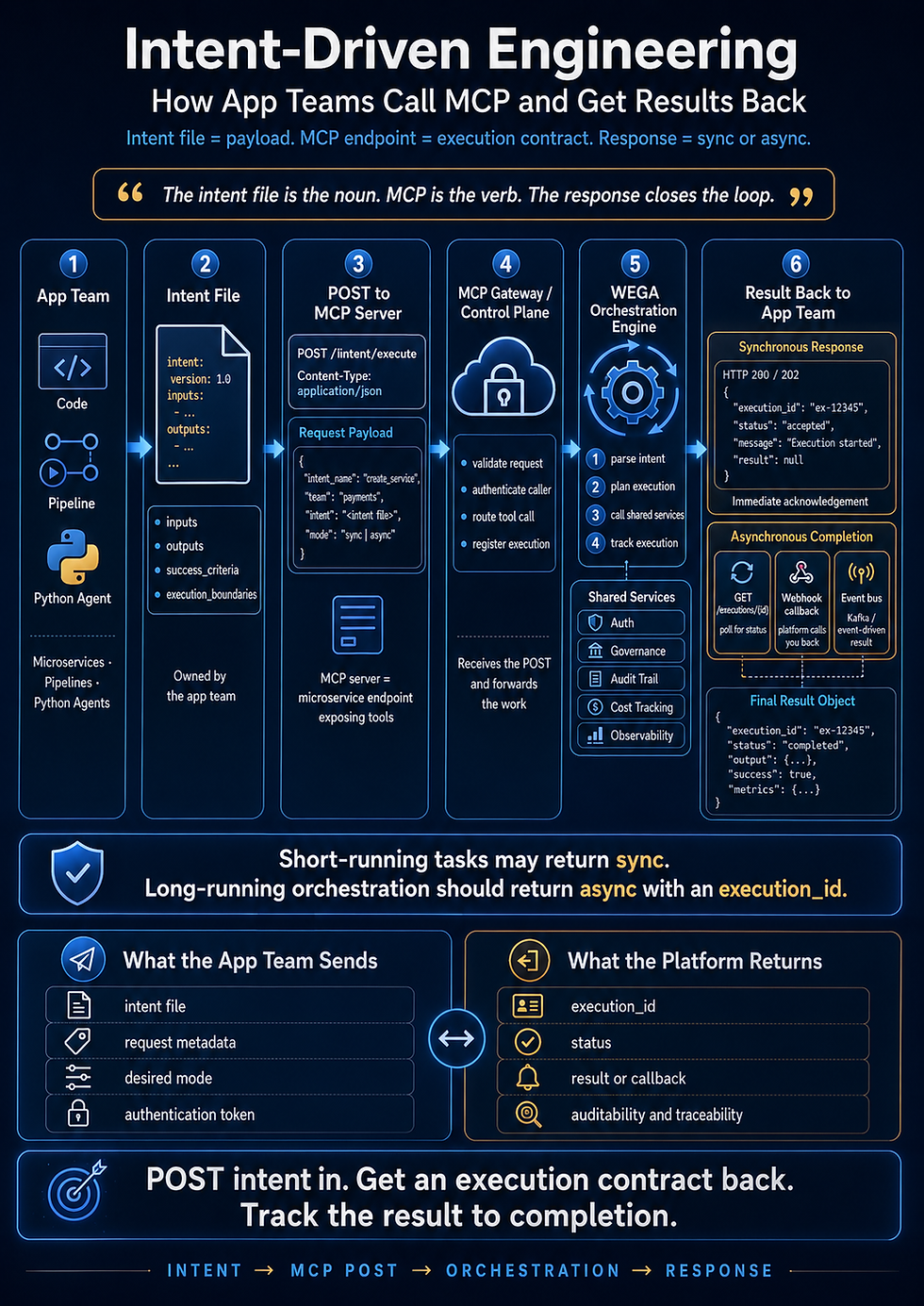
The Rise of Intent-Driven Engineering
For decades, software engineering centered on implementation.
Requirements became stories.
Stories became code.
Code became software.
AI is changing that equation.
Increasingly, architects and business leaders define what a system should do while AI systems help generate significant portions of the implementation.
This creates a new model that many organizations are beginning to experience:
Intent-Driven Engineering.
Humans define:
Business objectives
Architecture
Governance
Security requirements
Desired outcomes
Success metrics
AI increasingly assists with:
Code generation
Testing
Documentation
Refactoring
Integration
Deployment support
The consulting firms that understand this shift earliest may ultimately define the next generation of enterprise delivery.
AI Refinery May Be the Bigger Story
Claude Code receives most of the attention.
AI Refinery may be the more strategic asset.
The platform is designed to help enterprises govern, deploy, scale, monitor, and operationalize AI across large organizations.
That is exactly where consulting firms traditionally create value.
Not from the technology itself.
But from creating repeatable transformation systems around the technology.
The firm that creates the best enterprise AI operating model may ultimately gain more market share than the firm with access to the best model.
What the Other Major Consulting Firms Are Doing
Deloitte
Deloitte has invested heavily in enterprise AI, governance, compliance, risk management, and regulated-industry adoption. Their strategy appears focused on helping organizations deploy AI responsibly while navigating increasingly complex regulatory environments.
PwC
PwC has aggressively expanded its AI offerings, investing in enterprise AI adoption, business process transformation, and AI-enabled operating models. Their focus is increasingly centered on embedding AI directly into core business functions.
Infosys
Infosys has expanded partnerships across the AI ecosystem while building industry-specific AI solutions, engineering accelerators, and enterprise agent capabilities. Their emphasis continues to be helping large enterprises move AI from experimentation into production.
Cognizant
Cognizant continues expanding its AI consulting and engineering capabilities, focusing on enterprise transformation, AI modernization, and industry-specific solutions as organizations seek practical paths to production adoption.
Capgemini
Capgemini has pursued a broad multi-model strategy while investing heavily in AI transformation programs, enterprise platforms, and reusable industry accelerators designed to help clients scale AI across their organizations.
Wipro
Wipro has taken a quieter approach than some competitors but remains heavily invested in enterprise AI, cloud modernization, responsible AI, and AI-enabled software engineering. Rather than aligning publicly with a single model provider, Wipro has focused on integrating AI into enterprise delivery models and engineering services. As AI increasingly reshapes software development, Wipro’s global engineering footprint and delivery expertise position it as a significant player in the next phase of enterprise transformation.
The Real Competition Is Not Between Consulting Firms
The larger competition is between organizations that successfully operationalize AI and those that do not.
Many enterprises remain trapped in pilot purgatory.
They can demonstrate AI.
They can prototype AI.
But they struggle to scale AI.
The firms that solve that problem will become the leaders of the next decade.
What Comes Next
The most important question is no longer whether AI can write code.
That question has already been answered.
The more important question is:
Who will define the architectures, governance models, operating frameworks, and engineering practices that allow organizations to transform intent into outcomes?
Accenture appears to believe the answer lies in combining Claude, Claude Code, AI Refinery, enterprise governance, and workforce transformation into a single operating model.
Whether that strategy becomes the industry standard remains to be seen.
But one thing is clear.
Every major consulting firm should be watching closely.
Because the winners of the AI era may not be the firms with the smartest models.
They may be the firms that learn how to transform business intent into working outcomes faster than everyone else.Suggested Wix Header Title:
Why Every Major Consulting Firm Should Be Watching Accenture’s Anthropic Strategy
Subtitle:
Claude Code, AI Refinery, and Intent-Driven Engineering may represent the beginning of a new consulting delivery model.
Comments