

Industrial Engineering Graduates: Your Degree Is Not the Finish Line — It’s the Launch Platform
- Mark Kendall
- 9 hours ago
- 3 min read

Dear Industrial Engineering Graduates: Your Degree Is Not the Finish Line — It’s the Launch Platform
Tonight in Redondo Beach, on Mother’s Day of all nights, I had one of those conversations that sticks with you.
A family came up to me, good people, hardworking people, proud parents. Their son is graduating in industrial engineering. Smart kid. Disciplined. Did the work. Earned the degree.
But underneath the celebration was something I’m hearing all over the country right now:
“What happens now?”
“Where are the jobs?”
“What does AI mean for my future?”
And honestly, that’s a fair question.
Because the world changed faster than the universities did.
But here’s the good news:
Industrial engineering may actually be one of the BEST degrees to have in the age of AI — if you evolve beyond the traditional definition of the role.
The Old Industrial Engineer Optimized Factories
The new industrial engineer optimizes systems.
That’s a huge difference.
Years ago, industrial engineers were brought in to improve manufacturing lines, reduce waste, optimize movement, and improve efficiency.
That still matters.
But today?
Every company is becoming a system of systems:
Supply chains
APIs
AI agents
Cloud platforms
Human workflows
Automation pipelines
Customer experience loops
Data movement
Operational governance
The companies winning right now are not necessarily the companies with the smartest individual coders.
They’re the companies that understand flow.
That is industrial engineering at its core.
Your Degree Gave You the Foundation
Your degree taught you:
Process thinking
Optimization
Constraints
Bottlenecks
Statistical reasoning
Operations
Systems analysis
Efficiency modeling
That foundation is incredibly valuable.
But now you need to layer modern execution on top of it.
Because employers today are looking for people who can bridge:
business
operations
automation
AI
systems thinking
execution
That combination is rare.
And honestly?
Most companies are starving for it.
Here’s the Shift You Need to Make
Do not graduate thinking:
“I’m an industrial engineer.”
Start thinking:
“I’m a systems orchestrator.”
That mindset changes everything.
Because AI is not replacing people who understand systems.
AI is replacing repetitive execution inside systems.
The people who understand how systems connect together become MORE valuable.
Learn Intent-Driven Engineering
This is where I told them to focus.
The future is moving away from:
manually managing every tiny task
endless spreadsheets
disconnected workflows
siloed departments
human coordination chaos
And toward:
intent
orchestration
automation
governed execution
system-wide visibility
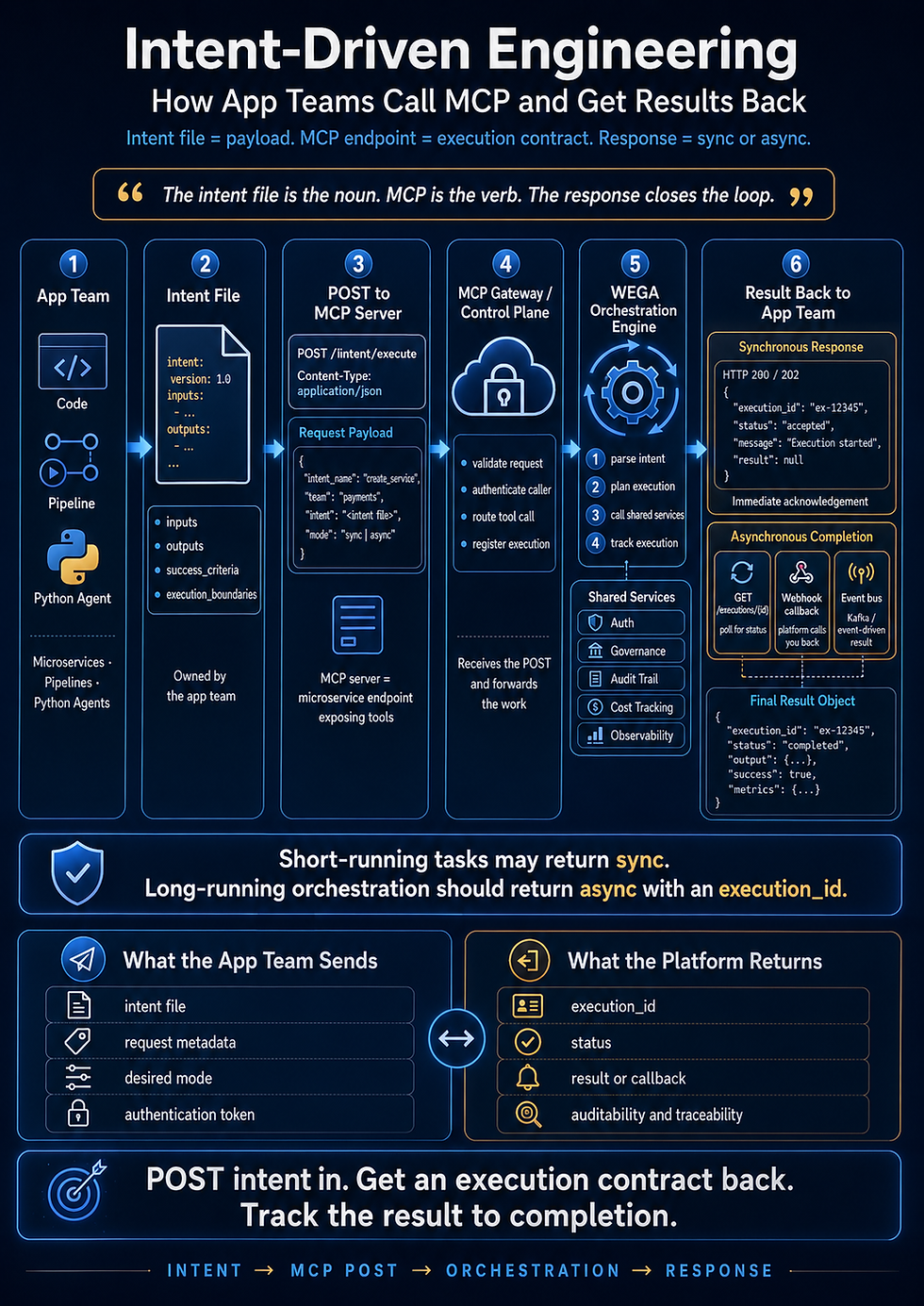
That’s what I call Intent-Driven Engineering.
Instead of telling systems HOW to do every little thing, you define:
the desired outcome
the constraints
the success criteria
the operational boundaries
Then systems, automation, AI agents, APIs, and workflows execute toward that intent.
That is VERY close to the natural evolution of industrial engineering.
If I Were Graduating Today in Industrial Engineering, Here’s What I’d Learn Immediately
1. Learn Cloud Platforms
At minimum:
AWS
basic cloud architecture
event-driven systems
APIs
Not because you need to become a hardcore cloud engineer.
But because modern operations run in the cloud now.
2. Learn Data Flow and Automation
Understand:
APIs
Kafka/event streaming
workflow orchestration
automation pipelines
Industrial engineering is becoming digital operations engineering.
3. Learn AI as an Operational Tool
Not just prompting.
Learn:
agent orchestration
workflow automation
governed AI systems
human-in-the-loop operations
The winners will not be “prompt experts.”
The winners will understand operational integration.
4. Learn Visualization and Operational Awareness
Get comfortable with:
dashboards
telemetry
observability
metrics
operational KPIs
Industrial engineers should become masters of operational visibility.
5. Build Real Projects
This is critical.
The degree gets you in the conversation.
Projects get you hired.
Build:
supply chain simulators
workflow automation demos
AI-assisted optimization systems
orchestration dashboards
operational intelligence tools
Even small projects matter.
Because employers want proof you can apply knowledge in modern environments.
Here’s the Truth Nobody Wants to Say Out Loud
The old “graduate → apply → career appears” model is fading.
That’s scary.
But it also creates opportunity.
Because now motivated people can move VERY fast.
A graduate with:
systems thinking
AI awareness
operational mindset
cloud familiarity
automation understanding
communication skills
can outperform people with 10 years of experience who never adapted.
That’s real.
Parents Need to Hear This Too
Your kids are not failing because the world changed.
The operating model changed.
The graduates who win now are the ones who:
keep learning
build systems
adapt quickly
think operationally
combine engineering with execution
Industrial engineering graduates are actually positioned incredibly well for this era if they stop thinking narrowly about “factory optimization” and start thinking about orchestrating intelligent systems.
Because the future belongs to people who can connect:
humans
AI
operations
workflows
automation
governance
business outcomes
That’s not the death of industrial engineering.
That may be its rebirth.
Comments