

Revolutionizing App Development with Intent-Driven Engineering and AI Tools
- Mark Kendall
- 5 hours ago
- 4 min read

Building a full banking application used to be a massive undertaking. It required weeks of planning, coding, testing, and coordination across teams. Today, the landscape has changed dramatically. I recently created a complete banking app proof of concept in just one hour without writing a single line of code manually. The secret was not just AI-generated code but a method called Intent-Driven Engineering combined with the power of Claude Code, an AI coding assistant.
This post explains how Intent-Driven Engineering works, why it matters, and how it can transform the way developers build complex applications. I will also share details about the banking app I built, including the approach, tools, and lessons learned.
!Eye-level view of a laptop screen showing a banking app interface with charts and transaction lists
What Intent-Driven Engineering Means
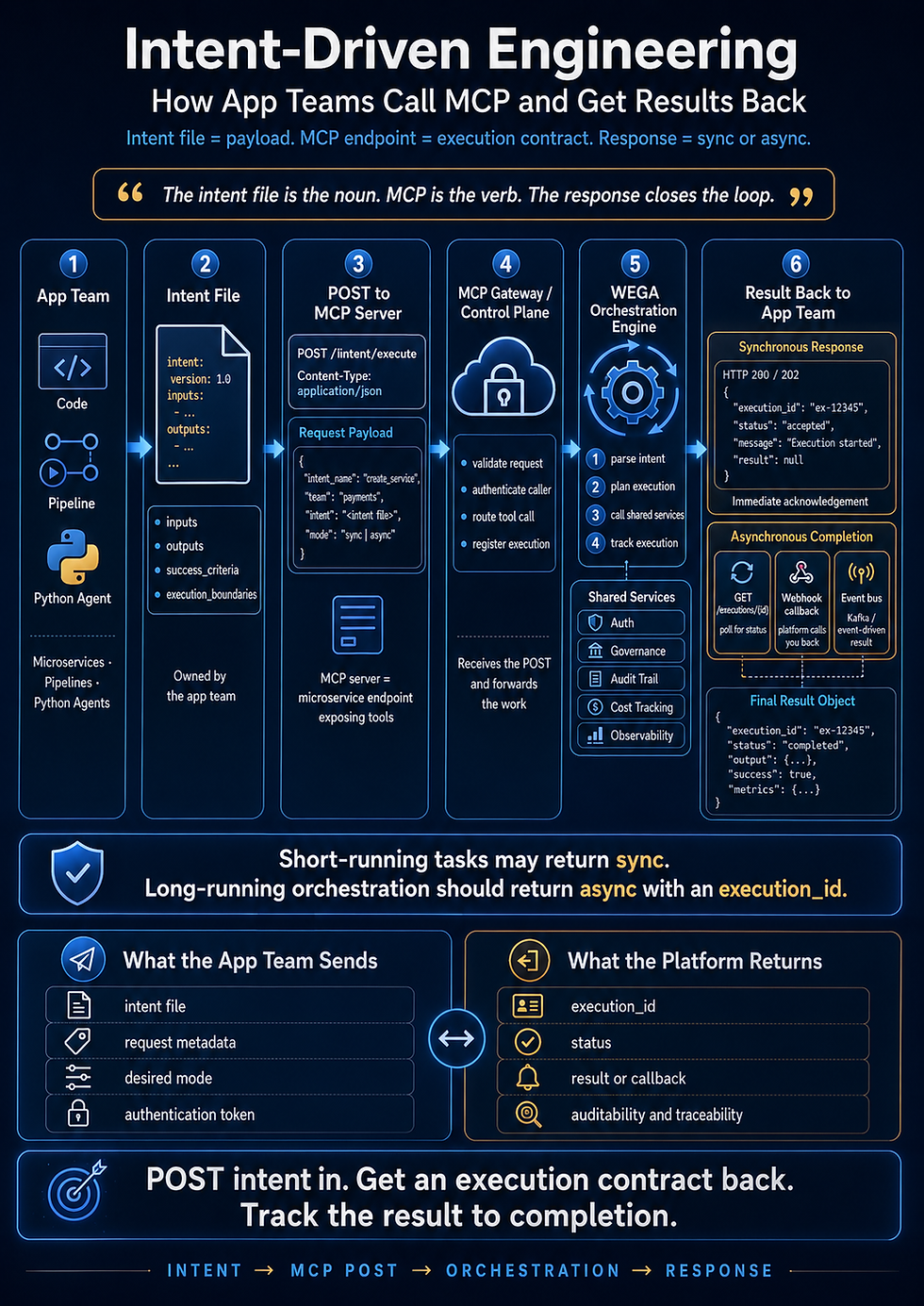
Intent-Driven Engineering flips the traditional software development process. Instead of starting with coding or vague AI prompts, it begins with a clear, detailed definition of what the system should achieve. This includes:
The system’s core functions and workflows
Technology choices and constraints
Data models and validation rules
Security boundaries and compliance needs
What outputs are required: code files, tests, documentation
Clear success criteria and what must be avoided (such as hallucinated or incorrect code)
This approach treats the AI as an executor that follows a well-defined control plan. The human remains the architect, guiding the AI with precise intent rather than open-ended requests. This distinction is crucial because it turns AI from a code generator into a partner that builds a coherent system.
By contrast, simply prompting AI with “Build me a banking app” often results in fragmented or incomplete code snippets. Intent-Driven Engineering ensures the final product is a working system, not just pieces of code.
How I Built a Full Banking App in One Hour
Using Claude Code, I set out to build a full-stack banking app proof of concept. The key was to start with a detailed intent document that covered every aspect of the app’s requirements. This included:
User authentication and account management
Transaction processing and balance updates
Security rules to prevent unauthorized access
Data validation and error handling
Clear API endpoints and frontend UI components
Automated tests to verify functionality
Documentation for future developers
With this intent in place, I fed it into Claude Code, which generated the backend, frontend, database schema, and tests. The AI followed the intent strictly, producing a cohesive codebase ready to run.
This process took about an hour, including reviewing and minor adjustments. The result was a working banking app prototype that demonstrated core features without manual coding.
Why This Approach Matters
Intent-Driven Engineering combined with AI tools like Claude Code offers several advantages:
Speed: Building a prototype in an hour accelerates innovation and feedback cycles.
Clarity: Defining intent upfront reduces guesswork and rework.
Quality: Automated tests and documentation are part of the output, improving maintainability.
Control: Humans remain in charge of architecture and design decisions.
Scalability: The approach can be applied to other complex systems beyond banking.
This method does not replace the need for expert engineers, security audits, or compliance checks in production banking systems. Instead, it changes how the first working version is created, making it faster and more reliable.
Practical Steps to Use Intent-Driven Engineering
If you want to try this approach, here are some practical tips:
Define your system’s intent clearly
Write down what the app must do, technology choices, data rules, security needs, and success criteria. Be as specific as possible.
Use an AI tool that supports intent-driven workflows
Choose AI coding assistants that can take structured intent and generate code accordingly.
Review and iterate
AI-generated code still needs human review. Test the system, fix issues, and refine the intent for improvements.
Include tests and documentation in your intent
This ensures the AI produces a complete package, not just code snippets.
Keep humans as architects
Use AI to execute your vision, not to replace your design decisions.
Lessons Learned from the Banking App Project
Intent clarity is key: The more detailed and precise the intent, the better the AI output.
AI is a tool, not a magic wand: It speeds up coding but requires human guidance and validation.
Security and compliance need human oversight: AI can help build prototypes but cannot replace expert reviews.
Documentation matters: Including documentation in the intent saves time later.
Iterative approach works best: Start with a minimal intent, then expand features step-by-step.
What’s Next for Intent-Driven Engineering
This approach is still evolving. As AI tools improve, we can expect:
Better understanding of complex intents
More seamless integration with development environments
Enhanced ability to generate secure, compliant code
Wider adoption across industries beyond banking
Developers who master intent-driven workflows will gain a significant advantage in building reliable systems faster.
Intent-Driven Engineering combined with AI tools like Claude Code is changing how software gets built. It shifts the focus from writing code to defining clear goals and letting AI execute them under human guidance. This method can cut development time drastically while producing complete, testable systems.
If you want to explore this approach, check out the Banking POC GitHub Repository to see the full code and intent documents behind the app I built.
Comments