

Stop Chasing Tools. Start Defining Intent.
- Mark Kendall
- 16 hours ago
- 3 min read

Stop Chasing Tools. Start Defining Intent.
Intro
There’s a moment in every engineer’s career where you look up and realize something uncomfortable:
You’ve spent years learning tools…
And the tools have moved on without you.
New frameworks. New languages. New platforms.
Same promise:
“Learn this, and you’ll stay relevant.”
I believed that for a long time. I chased it hard.
From early days tinkering with BASIC games to enterprise Java and cloud architectures, I did what many engineers did—I kept my head down and learned whatever the industry told me mattered next.
And it worked.
Until it didn’t.
Because something fundamental has changed.
What Is This Shift?
This isn’t just another wave of new tools.
It’s a shift in where value actually lives in engineering.
For decades, value came from:
Knowing the right language
Understanding frameworks
Being able to implement systems step-by-step
Today?
Those things still matter—but they’re no longer the bottleneck.
The bottleneck has moved from implementation… to intention.
We now live in a world where:
Code can be generated
Architectures can be suggested
Entire systems can be scaffolded in minutes
But none of that works well without one thing:
Clarity.
The Evolution of the Engineer
There was a time when your “entry point” as an engineer was simple:
Get something to compile. Print something to the screen. You’re in.
From there, you built upward—learning syntax, patterns, and systems over time.
That entry point has changed.
Today, the real entry point is this:
Can you clearly define what should happen?
Not vaguely. Not conceptually.
Precisely.
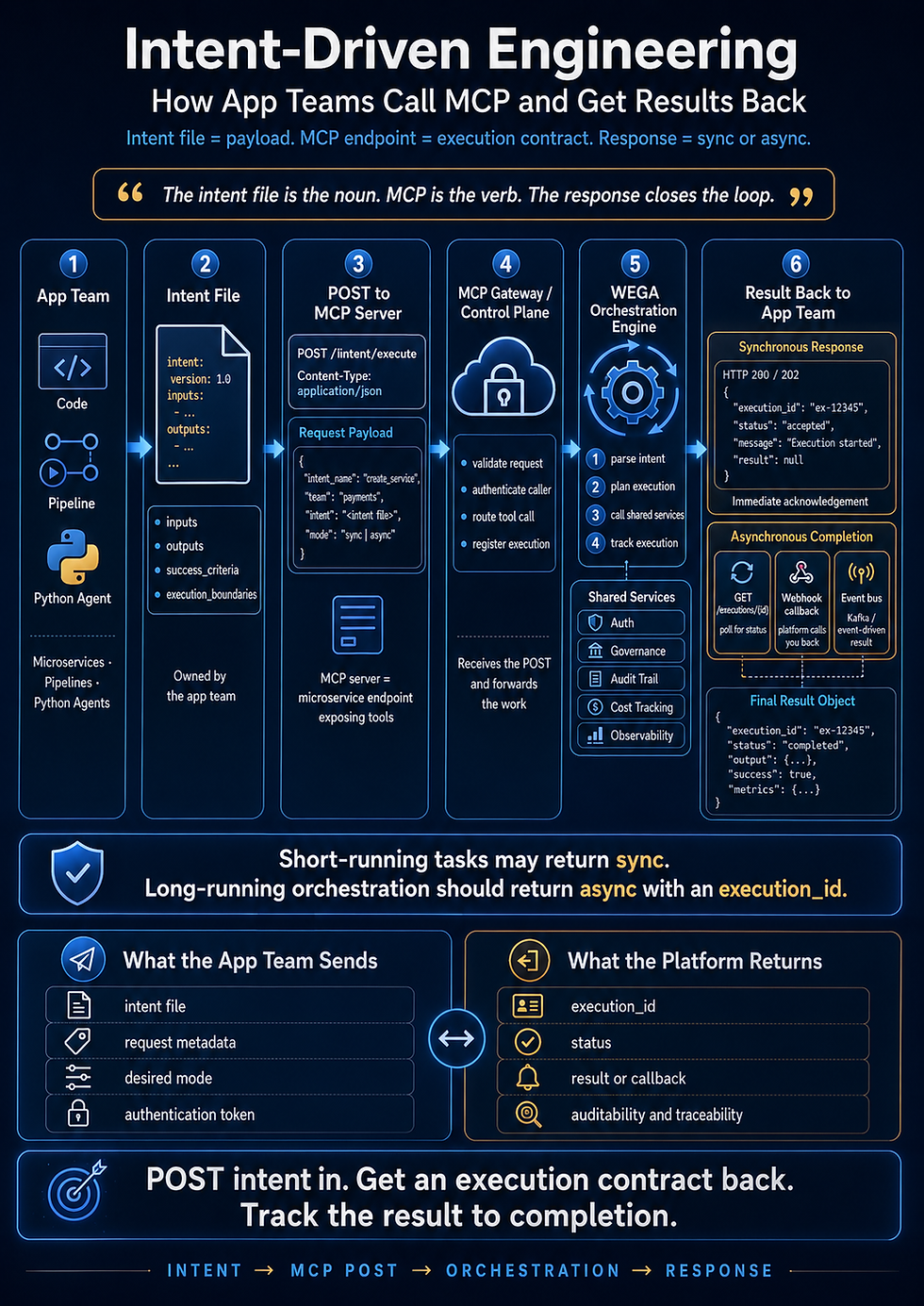
What are the inputs?
What is the expected output?
What constraints must be respected?
What does success actually look like?
If you can answer those questions well, you can build anything.
If you can’t, no tool will save you.
Why It Matters
Most of the industry hasn’t caught up to this shift yet.
The marketplace is still selling:
More certifications
More frameworks
More complexity
But engineers are starting to feel the friction:
Systems are getting harder to reason about
Outputs are becoming less predictable
“Smart tools” still produce inconsistent results
And the response is usually:
“I need to learn more tools.”
But that’s not the answer.
More tools don’t fix unclear thinking. They amplify it.
This is why some engineers are suddenly accelerating—producing more, moving faster, building better systems…
While others feel stuck, even with more knowledge than ever.
The difference isn’t intelligence.
It’s clarity of intent.
The Human Layer We Forgot
Somewhere along the way, engineering became mechanical.
We optimized for:
Speed
Efficiency
Technical correctness
But we quietly deprioritized:
Thoughtfulness
Clarity
Purpose
Intent-driven thinking brings that back.
Because defining intent requires you to ask:
What problem am I actually solving?
Who does this help?
What does “good” look like in the real world?
These aren’t technical questions.
They’re human ones.
And ironically, they’re now the most important questions in a world full of automation.
From Tool Builders to Outcome Designers
The role of the engineer is evolving.
Not disappearing. Not being replaced.
Evolving.
From:
Writing every line
Wiring every component
Managing every detail
To:
Defining outcomes
Setting constraints
Validating results
You’re no longer just building systems.
You’re designing what systems should achieve.
That’s a higher level of responsibility.
And a more powerful one.
Key Takeaways
The industry is still focused on tools—but value has shifted to intent
The new bottleneck is not coding—it’s clarity
Engineers who can define precise outcomes will outperform those who only know tools
AI and automation amplify thinking—good or bad
The future of engineering is as much human as it is technical
Final Thought
I spent years trying to keep up with every tool.
And I’m glad I did—it taught me how systems work.
But the biggest shift in my career came when I stopped asking:
“What do I need to learn next?”
And started asking:
“What am I actually trying to achieve?”
Because once you can answer that clearly…
The rest tends to follow.
Comments