

The Industry Is Measuring Engineering Performance Wrong in the AI Boom

The Industry Is Measuring Engineering Performance Wrong
For years, organizations have tried to measure software engineering productivity using metrics that were already flawed long before AI entered the picture.
Lines of code.
Story points.
Pull request counts.
Velocity charts.
Hours logged.
Ticket completion rates.
But modern engineering has changed.
And the arrival of AI-assisted development has accelerated that change dramatically.
The Old Measurements No Longer Reflect Reality
A single engineer today can:
prototype an architecture in hours,
generate infrastructure rapidly,
validate APIs conversationally,
automate documentation,
accelerate testing,
and operationalize ideas at speeds that were almost impossible only a few years ago.
So what exactly are organizations measuring now?
Certainly not:
business impact,
operational leverage,
execution quality,
adaptability,
or delivery acceleration.
Most enterprises are still measuring activity instead of outcomes.
That creates a dangerous blind spot.
Because in the era of AI-assisted engineering:
the fastest typist is no longer the highest performer.
The Real Bottleneck Was Never Code
The true friction inside most organizations has always been:
unclear intent,
operational confusion,
excessive handoffs,
fragmented tooling,
onboarding delays,
governance drift,
and execution inefficiency.
AI did not magically remove those problems.
In many cases, it amplified them.
Faster generation without operational clarity simply creates faster chaos.
Which means the organizations that win will not necessarily be the ones generating the most code.
They will be the organizations that:
execute clearly,
operationalize safely,
adapt rapidly,
reduce friction,
and align engineering effort directly to measurable business outcomes.
That requires an entirely different way of thinking about engineering productivity.
Intent-Driven Engineering Changes the Conversation
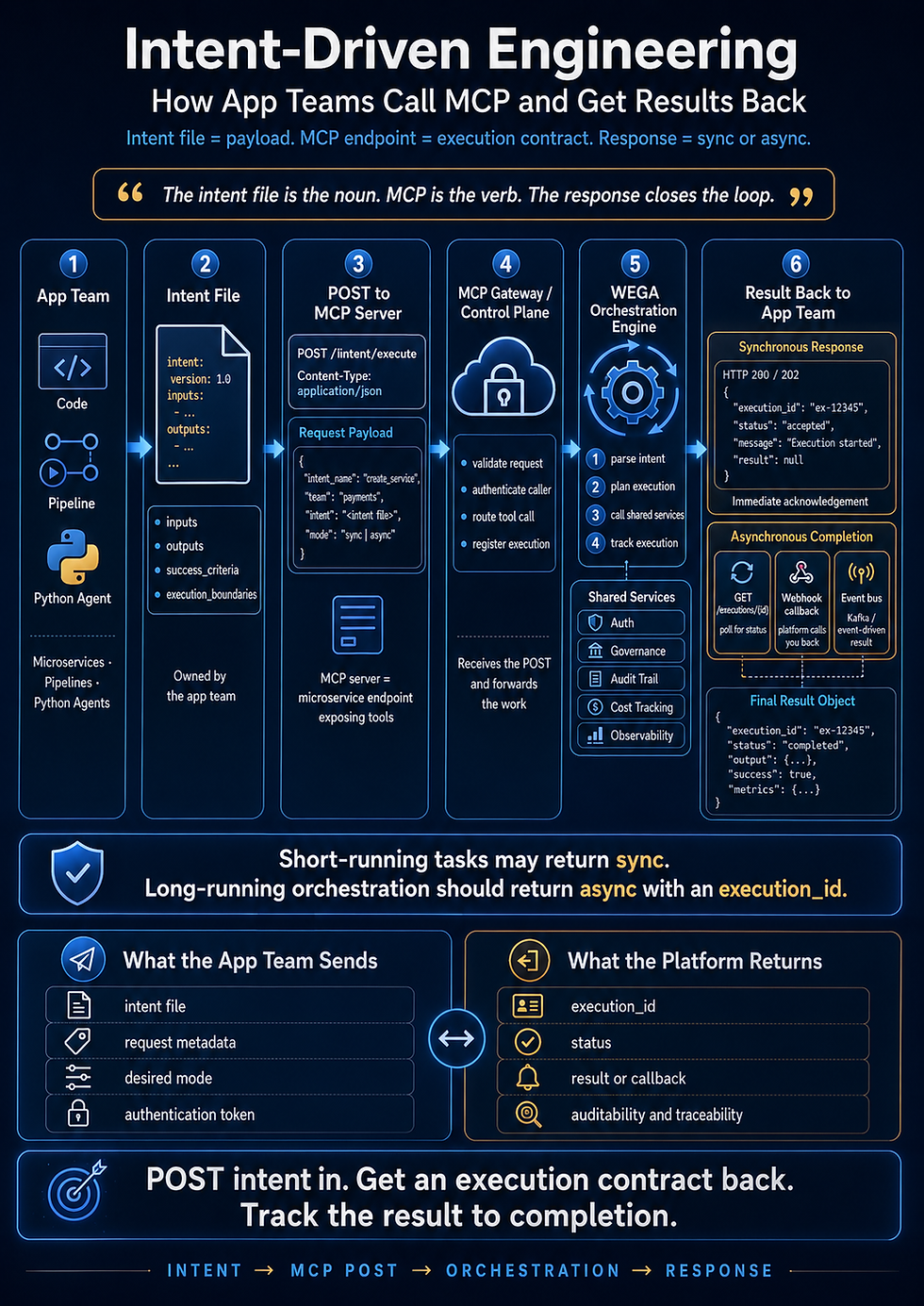
This is one of the reasons Intent-Driven Engineering continues to evolve beyond simple prompting or code generation.
The future is not just about accelerating output.
It is about accelerating:
validated execution,
governed delivery,
operational confidence,
and measurable business impact.
The industry is approaching a point where traditional developer metrics may become almost meaningless.
And that raises an important question:
If AI changes how engineering work is created, reviewed, validated, and operationalized… how should organizations measure value moving forward?
That question matters far more than most people currently realize.
A New Era Requires New Measurements
At Learn Teach Master, we believe the next evolution of engineering leadership will require:
new productivity models,
new ROI frameworks,
new operational measurements,
and new ways to evaluate high-performing engineering organizations.
Not based on raw output.
But based on:
execution quality,
operational acceleration,
delivery confidence,
adaptability,
and intent-to-impact performance.
The companies that solve this correctly may gain one of the largest competitive advantages of the next decade.
Something Bigger Is Emerging
The industry spent years optimizing:
development tooling,
cloud infrastructure,
deployment automation,
and engineering workflows.
Now attention is shifting toward something far more important:
How do we measure engineering value in an era where intelligent systems amplify human capability?
That conversation is only beginning.
And the organizations that understand it early may redefine what elite engineering performance looks like moving forward.
We’re actively exploring this space now.
More soon.
Comments